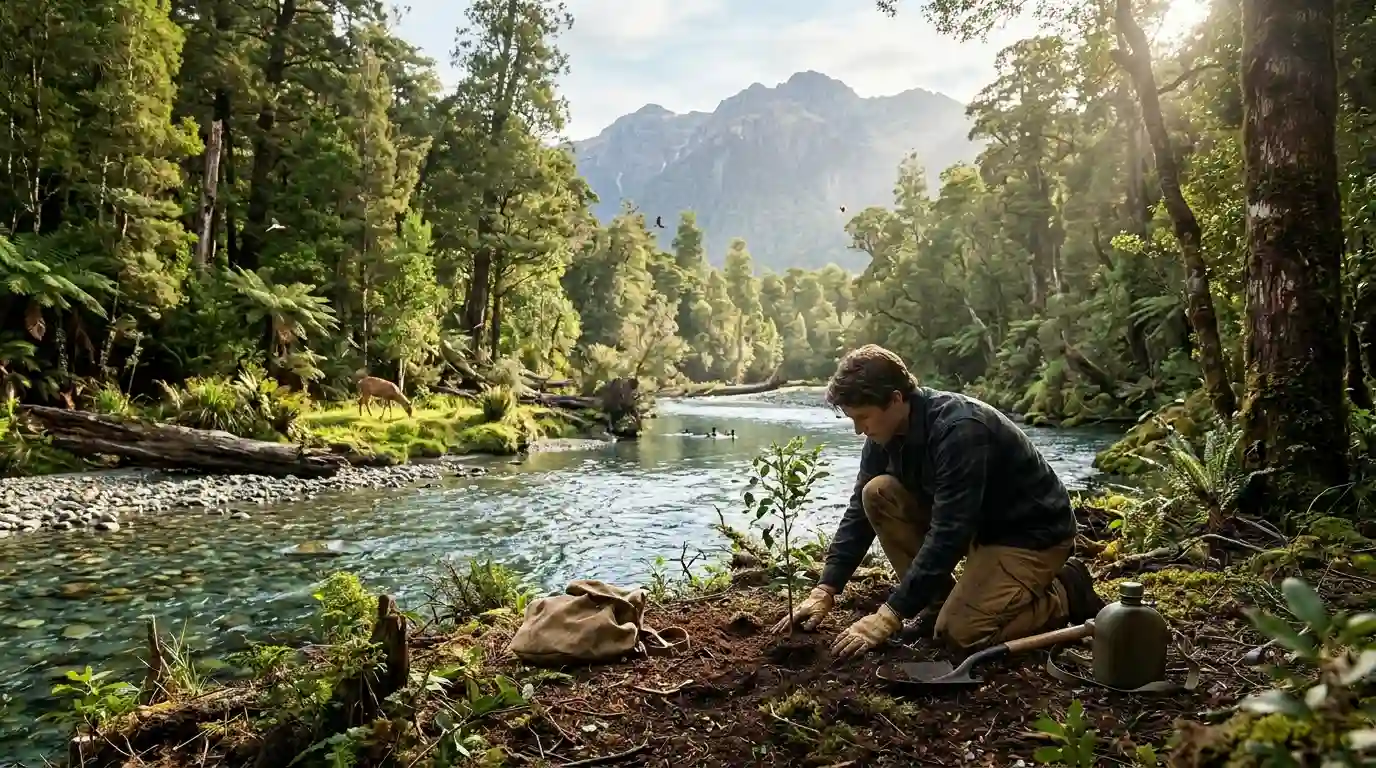
Synonyms for conservation help you talk about protecting nature, energy, and money with clarity. Yesterday, I turned off unused lights and fixed a leaky kitchen tap to save water at home.
Repeating the same heavy noun makes essays and articles feel stiff. Learning fresh synonyms for conservation expands your vocabulary and keeps readers engaged.
People use this word daily in climate talks, museum work, and household budgets. Mastering these synonyms for conservation helps students, bloggers, content writers, and daily speakers sound sharper.
What Does “Conservation” Really Mean?
In simple English, conservation means protecting nature, wildlife, energy, or valuable objects from waste, harm, or destruction.
The word carries a responsible, caring, and forward-looking attitude. Native speakers understand it as the smart management and protection of resources so they last for future generations.
It appears in environmental news, art museums, forestry, and energy-saving tips. For example, forest conservation keeps wild animals safe and protects clean drinking water.
Part of Speech: Noun (uncountable in general use; countable when referring to specific projects).Simple Definition: The careful protection, preservation, and wise use of natural resources, wildlife, or historical items.
Connotative Meaning
Connotation (the hidden emotional feeling or cultural association a word carries beyond its literal dictionary definition).
- Positive tone: Suggests wisdom, care, responsibility, healing, and respect for life (e.g., stewardship, preservation, sustainability, safeguarding).
- Negative tone: Suggests extreme restriction, hoarding, or refusing to spend or use anything at all (e.g., rationing, hoarding, withholding, scrimping).
- Neutral tone: Simply describes keeping things safe, maintaining supplies, or managing resources (e.g., maintenance, management, protection, upkeep).
Etymology
- Origin: Conservation comes from the Old French word conservation and the Latin word conservationem, meaning “a keeping or preserving.” It stems from the Latin verb conservare, where con- means “together” and servare means “to keep or guard.”
- Old English (450–1100): The word conservation did not exist in Old English yet. Speakers used native Germanic nouns like geheald (keeping or guarding) and nerung (saving or preservation).
- Middle English (1100–1500): The word entered English in the late 14th century through French. At first, it meant keeping something healthy, safe, or unchanged over time.
- Modern English (1500–Present): By the late 1800s, conservation became the main term for protecting forests, rivers, and wildlife. Today, it also covers saving electricity, water, and priceless artwork.
Pronunciation & Word Structure
- US IPA: /ˌkɑnsərˈveɪʃən/
- UK IPA: /ˌkɒnsəˈveɪʃən/
- Syllables: con-ser-va-tion
Affixation Pattern:
- Root: serv (from Latin servare, meaning “to keep, save, or watch over”)
- Prefix: con- (from Latin com-, meaning “together or thoroughly”)
- Suffix: -ation (noun-forming suffix showing an action, process, or result)
Core Synonyms for Conservation
Preservation (Noun) — US /ˌprɛzərˈveɪʃən/ | UK /ˌprɛzəˈveɪʃən/
Meaning: The act of keeping something in its original state or protecting it from damage and decay.
Examples:
- Historical preservation keeps old downtown buildings standing for future visitors.
- Proper food preservation stops fresh fruit from spoiling too quickly.
Protection (Noun) — US /prəˈtɛkʃən/ | UK /prəˈtɛkʃən/
Meaning: The act of keeping someone or something safe from injury, loss, or harm.
Examples:
- Wearing sunscreen provides essential protection against painful sunburns.
- Marine protection laws keep coral reefs safe from destructive fishing nets.
Safeguarding (Noun) — US /ˈseɪfˌɡɑrdɪŋ/ | UK /ˈseɪfɡɑːdɪŋ/
Meaning: Protecting something valuable from danger, theft, or loss with careful measures.
Examples:
- Safeguarding clean rivers is one of our town’s top priorities this year.
- Strong passwords are the first step in safeguarding your personal data.
Stewardship (Noun) — US /ˈstuərdˌʃɪp/ | UK /ˈstjuːədʃɪp/
Meaning: The responsible care and management of land, resources, or property entrusted to you.
Examples:
- Good environmental stewardship means leaving every campsite cleaner than you found it.
- The museum board praised her careful stewardship of the ancient coin collection.
Sustainability (Noun) — US /səˌsteɪnəˈbɪləti/ | UK /səˌsteɪnəˈbɪlɪti/
Meaning: Using natural resources wisely so they stay available for future generations without harming the planet.
Examples:
- Many coffee shops now focus on sustainability by using compostable cups.
- Teaching kids about sustainability helps them build greener habits early.
Maintenance (Noun) — US /ˈmeɪntənəns/ | UK /ˈmeɪntənəns/
Meaning: Regular care and repair work done to keep something in good, working condition.
Examples:
- Regular car maintenance prevents expensive engine breakdowns on long trips.
- Trail maintenance volunteers cleared fallen branches after the winter storm.
Upkeep (Noun) — US /ˈʌpˌkip/ | UK /ˈʌpkiːp/
Meaning: The ongoing care, cleaning, and cost required to keep a place or thing in good shape.
Examples:
- The upkeep of a large backyard garden takes several hours every weekend.
- City taxes help pay for the daily upkeep of public parks and libraries.
Care (Noun) — US /kɛr/ | UK /keə/
Meaning: Serious attention and gentle protection given to keep something safe and healthy.
Examples:
- Antique wooden furniture needs gentle care to keep its natural shine.
- With proper care, a good pair of leather boots can last ten years.
Custody (Noun) — US /ˈkʌstədi/ | UK /ˈkʌstədi/
Meaning: The protective care or legal responsibility for guarding something valuable.
Examples:
- The national archive holds custody of the country’s oldest signed treaties.
- Park rangers took custody of the injured owl until it could fly again.
Guardianship (Noun) — US /ˈɡɑrdiənˌʃɪp/ | UK /ˈɡɑːdɪənʃɪp/
Meaning: The duty of watching over, defending, and protecting someone or something.
Examples:
- Local alternative took over guardianship of the ancient forest reserve.
- Good guardianship ensures that rare books stay safe from moisture and light.
Defense (Noun) — US /dɪˈfɛns/ | UK /dɪˈfɛns/
Meaning: Action taken to protect something or someone from attack, harm, or destruction.
Examples:
- Planting coastal mangroves offers natural defense against rising ocean waves.
- Lawyers spoke passionately in defense of protecting endangered wetlands.
Shielding (Noun) — US /ˈʃildɪŋ/ | UK /ˈʃiːldɪŋ/
Meaning: Covering or guarding something to block harm, heat, radiation, or damage.
Examples:
- Thick lead shielding protects hospital workers during daily X-ray scans.
- Tall pine trees provide natural shielding from strong winter winds.
Shelter (Noun) — US /ˈʃɛltər/ | UK /ˈʃɛltə/
Meaning: Safe protection from bad weather, danger, or harsh conditions.
Examples:
- Hikers found dry shelter inside a wooden cabin during the sudden hailstorm.
- Birdhouses offer safe shelter for songbirds during freezing nights.
Refuge (Noun) — US /ˈrɛfjudʒ/ | UK /ˈrɛfjuːdʒ/
Meaning: A safe place that protects people or wildlife from danger and trouble.
Examples:
- The coastal wildlife refuge protects thousands of migrating sea turtles.
- Quiet public libraries often serve as a peaceful refuge on rainy afternoons.
Sanctuary (Noun) — US /ˈsæŋktʃuˌɛri/ | UK /ˈsæŋktʃʊəri/
Meaning: A protected nature reserve where wild animals live safely without being hunted.
Examples:
- We visited an elephant sanctuary where rescued animals roam freely.
- Her backyard flower garden became a tiny sanctuary for local honeybees.
Saving (Noun) — US /ˈseɪvɪŋ/ | UK /ˈseɪvɪŋ/
Meaning: The act of using less of something, such as money, water, or energy, to prevent waste.
Examples:
- Turning off the tap while brushing your teeth leads to big water savings.
- Energy saving is much easier when you switch to modern LED light bulbs.
Economy (Noun) — US /ɪˈkɑnəmi/ | UK /ɪˈkɒnəmi/
Meaning: Careful, smart management of money, fuel, or resources without wasting anything.
Examples:
- Practicing fuel economy by driving smoothly saves gas on highway trips.
- Great writers use economy of words to make every sentence punchy.
Thrift (Noun) — US /θrɪft/ | UK /θrɪft/
Meaning: The habit of using money and supplies carefully and avoiding unnecessary waste.
Examples:
- My grandmother’s lifelong thrift helped her save enough to buy a house.
- Repairing torn clothes instead of trashing them is a smart lesson in thrift.
Frugality (Noun) — US /fruˈɡæləti/ | UK /fruːˈɡælɪti/
Meaning: The quality of being careful and economical with food, money, or resources.
Examples:
- Cooking meals at home is an easy habit of daily frugality.
- Frugality during college helped him graduate with zero credit card debt.
Rationing (Noun) — US /ˈræʃənɪŋ/ | UK /ˈræʃənɪŋ/
Meaning: Controlling and limiting the use of scarce supplies so everyone gets a fair share.
Examples:
- Severe summer droughts often force cities to start strict water rationing.
- Hikers practiced careful food rationing when snow delayed their return.
Management (Noun) — US /ˈmænɪdʒmənt/ | UK /ˈmænɪdʒmənt/
Meaning: The organized control and smart use of land, water, money, or operations.
Examples:
- Proper waste management keeps city streets clean and reduces landfill trash.
- Smart forest management prevents massive wildfires during dry summers.
Administration (Noun) — US /ədˌmɪnəˈstreɪʃən/ | UK /ədˌmɪnɪˈstreɪʃən/
Meaning: The official organization and supervision of public programs, parks, or resources.
Examples:
- Careful administration of the national park budget funded three new trails.
- The charity praised her honest administration of their disaster relief funds.
Husbandry (Noun) — US /ˈhʌzbəndri/ | UK /ˈhʌzbəndri/
Meaning: The careful management and cultivation of crops, farm animals, or natural resources.
Examples:
- Good soil husbandry keeps farmland fertile for decades without harsh chemicals.
- Modern animal husbandry focuses heavily on clean water and healthy pastures.
Cultivation (Noun) — US /ˌkʌltəˈveɪʃən/ | UK /ˌkʌltɪˈveɪʃən/
Meaning: Preparing land and caring for crops, plants, or natural habitats so they thrive.
Examples:
- The cultivation of native wildflowers brought butterflies back to the meadow.
- Organic farming relies on patient soil cultivation and natural compost.
Forestry (Noun) — US /ˈfɔrəstri/ | UK /ˈfɒrɪstri/
Meaning: The science and practice of planting, managing, and caring for forests.
Examples:
- Sustainable forestry ensures that new trees are planted whenever timber is cut.
- She studied forestry in college because she loved working outdoors.
Ecology (Noun) — US /ɪˈkɑlədʒi/ | UK /ɪˈkɒlədʒi/
Meaning: The study and protection of how living things interact with their natural environment.
Examples:
- Oil spills cause devastating harm to delicate coastal ecology.
- Our science class learned how wetland ecology filters polluted water.
Environmentalism (Noun) — US /ɪnˌvaɪrənˈmɛntəˌlɪzəm/ | UK /ɪnˌvaɪrənˈmɛntəlɪzəm/
Meaning: Active support and advocacy for protecting the natural world from pollution and harm.
Examples:
- Youth environmentalism has inspired thousands of local beach cleanups.
- Practical environmentalism starts with simple choices like recycling glass.
Restoration (Noun) — US /ˌrɛstəˈreɪʃən/ | UK /ˌrɛstəˈreɪʃən/
Meaning: The act of repairing and returning a damaged habitat, building, or artwork to its original condition.
Examples:
- Wetland restoration brought dozens of rare bird species back to the valley.
- Art experts spent two years on the restoration of the faded oil painting.
Renewal (Noun) — US /rɪˈnuəl/ | UK /rɪˈnjuːəl/
Meaning: The process of replacing, refreshing, or bringing life back to worn-out resources.
Examples:
- Spring rain brings a wonderful renewal of green grass to dry hills.
- Urban renewal projects turned the old warehouse district into sunny parks.
Regeneration (Noun) — US /rɪˌdʒɛnəˈreɪʃən/ | UK /rɪˌdʒɛnəˈreɪʃən/
Meaning: Natural regrowth and healing of damaged forests, soil, or ecosystems.
Examples:
- Forest regeneration happens slowly after a major wildfire sweeps through.
- Planting clover helps speed up soil regeneration on tired farmland.
Rehabilitation (Noun) — US /ˌriəˌbɪləˈteɪʃən/ | UK /ˌriːəˌbɪlɪˈteɪʃən/
Meaning: Helping injured wildlife or damaged land recover to a healthy state.
Examples:
- The marine center focuses on the rehabilitation of injured sea lions.
- Mine rehabilitation transforms empty rock pits back into grassy hills.
Reclamation (Noun) — US /ˌrɛkləˈmeɪʃən/ | UK /ˌrɛkləˈmeɪʃən/
Meaning: The process of rescuing damaged land or wastewater and making it useful again.
Examples:
- Water reclamation plants clean household wastewater for watering city parks.
- Land reclamation turned the polluted factory lot into a community garden.
Recycling (Noun) — US /riˈsaɪklɪŋ/ | UK /riːˈsaɪklɪŋ/
Meaning: Collecting and processing used paper, plastic, metal, or glass so it can be used again.
Examples:
- Aluminum recycling uses ninety-five percent less energy than making new cans.
- Put empty cardboard boxes in the blue recycling bin by the garage.
Reuse (Noun) — US /riˈjus/ | UK /riːˈjuːs/
Meaning: Using an item, container, or resource again instead of throwing it away.
Examples:
- Washing glass jam jars for storing spices is an easy habit of daily reuse.
- Creative reuse turns old wooden pallets into sturdy patio chairs.
Salvage (Noun) — US /ˈsælvɪdʒ/ | UK /ˈsælvɪdʒ/
Meaning: Rescuing valuable materials or goods from wreckage, demolition, or waste.
Examples:
- Builders found antique oak doors at an architectural salvage yard.
- Quick salvage efforts saved hundreds of rare books after the library flood.
Rescue (Noun) — US /ˈrɛskju/ | UK /ˈrɛskjuː/
Meaning: The act of saving people, animals, or valuable items from danger or loss.
Examples:
- Volunteers worked all night on the rescue of stranded whales on the beach.
- Food rescue charities collect extra bakery bread to feed hungry families.
Retention (Noun) — US /rɪˈtɛnʃən/ | UK /rɪˈtɛnʃən/
Meaning: Keeping water, heat, soil, or resources held safely in place without losing them.
Examples:
- Adding mulch to flower beds improves moisture retention during hot summers.
- Double-pane windows boost heat retention inside drafty older homes.
Storage (Noun) — US /ˈstɔrɪdʒ/ | UK /ˈstɔːrɪdʒ/
Meaning: Keeping supplies, water, or energy safely tucked away for future use.
Examples:
- Rainwater storage barrels help gardeners water plants during dry spells.
- Solar battery storage keeps house lights on during evening power outages.
Stockpiling (Noun) — US /ˈstɑkˌpaɪlɪŋ/ | UK /ˈstɒkpaɪlɪŋ/
Meaning: Gathering and storing a large reserve of essential supplies for future emergencies.
Examples:
- Careful stockpiling of firewood kept the mountain cabin warm all January.
- Hospitals rely on smart stockpiling of medical gloves and clean bandages.
Hoarding (Noun) — US /ˈhɔrdɪŋ/ | UK /ˈhɔːdɪŋ/
Meaning: Selfishly collecting and hiding huge amounts of supplies so others cannot use them.
Examples:
- Panic hoarding emptied grocery store shelves before the winter storm arrived.
- Unlike smart saving, hoarding creates clutter and hurts the community.
Curatorship (Noun) — US /kjʊˈreɪtərˌʃɪp/ | UK /kjʊəˈreɪtəʃɪp/
Meaning: The expert care, organization, and protection of museum artworks or historical archives.
Examples:
- Under her curatorship, the fragile medieval tapestries stayed in spotless condition.
- Digital curatorship preserves classic films so future viewers can watch them.
Vigilance (Noun) — US /ˈvɪdʒələns/ | UK /ˈvɪdʒɪləns/
Meaning: Constant, watchful care to spot danger and keep something safe.
Examples:
- Forest rangers maintain constant vigilance during dry summer fire seasons.
- Protecting endangered birds requires year-round vigilance from local volunteers.
Defense-in-depth (Noun) — US /dɪˈfɛns ɪn dɛpθ/ | UK /dɪˈfɛns ɪn dɛpθ/
Meaning: Using multiple layers of protection so that if one fails, others still keep things safe.
Examples:
- Wildlife parks use defense-in-depth with fences, cameras, and regular ranger patrols.
- Backing up files locally and in the cloud gives your photos strong defense-in-depth.
Guarding (Noun) — US /ˈɡɑrdɪŋ/ | UK /ˈɡɑːdɪŋ/
Meaning: Watching over something closely to protect it from theft, harm, or waste.
Examples:
- Guarding freshwater springs keeps city drinking water clean and safe.
- Sheepdogs spend their days guarding flocks from hungry mountain coyotes.
Husbanding (Noun) — US /ˈhʌzbəndɪŋ/ | UK /ˈhʌzbəndɪŋ/
Meaning: Using limited resources, energy, or money very carefully so they last longer.
Examples:
- Smart husbanding of battery power helped hikers keep their phones alive for days.
- Careful husbanding of household savings paid for their summer family trip.
Synonyms for “Conservation” by Tone
Choosing the right synonym depends heavily on the message and emotion you want to share. Calling an effort stewardship feels noble and inspiring, while calling it hoarding feels selfish.
- Positive Tone: Preservation, stewardship, sustainability, restoration, renewal, safeguarding, sanctuary, guardianship. These words highlight care, healing, and forward-thinking responsibility.
- Neutral Tone: Protection, maintenance, upkeep, management, storage, retention, recycling, reuse, forestry. These words simply describe practical care or resource control without strong emotion.
- Negative Tone: Hoarding, rationing, stockpiling (when used critically to suggest panic, greed, or harsh limits).
- Playful / Informal Tone: Saving, thrift, care, rescue. These friendly, everyday words fit casual chats about budgets, pets, and home habits.
Mini Comparison: Conservation vs. Close Alternatives
Conservation vs. Preservation vs. Sustainability
- Meaning difference: Conservation means managing and using natural resources wisely so they do not run out. Preservation means keeping nature or historic objects completely untouched and protected from human use. Sustainability means meeting today’s needs without harming the ability of future generations to meet theirs.
- Tone difference: Conservation feels practical and balanced. Preservation feels protective and strict. Sustainability feels modern and holistic.
- When to use each: Use conservation for managed forests or saving water, preservation for old paintings or untouched wilderness, and sustainability for eco-friendly business practices.
Conservation vs. Maintenance vs. Restoration
- Meaning difference: Conservation protects resources from loss or waste. Maintenance is routine daily work to keep something running smoothly. Restoration repairs something already broken or damaged back to its original beauty.
- Tone difference: Conservation is strategic. Maintenance is routine. Restoration is hopeful and transformative.
- When to use each: Use conservation for wildlife habitats, maintenance for fixing a leaky faucet, and restoration for rebuilding a damaged wetland.
How “Conservation” Changes by Context
Daily Conversation
In everyday talk, native speakers rarely say “energy conservation” at the dinner table. They prefer simple, practical words like saving, care, reuse, or cutting back.
Writing or Blogging
Eco-bloggers, DIY writers, and travel journalists love words that inspire action. Using sustainability, stewardship, restoration, and sanctuary makes articles feel uplifting and vivid.
Professional or Academic Tone
In environmental science, museum studies, and public policy, precision builds trust. Writers choose preservation, management, reclamation, husbandry, and curatorship to sound authoritative.
Creative or Informal Use
Storytellers use evocative nouns to paint safe havens and gentle care. Words like refuge, shelter, renewal, and guardianship add warmth and depth to descriptive writing.
Common Mistakes & Native Usage
Common Mistakes Learners Make
- Confusing conservation with conversation: Look closely at the spelling! Conservation (/ˌkɑnsərˈveɪʃən/) means protecting nature or resources. Conversation (/ˌkɑnvərˈseɪʃən/) means talking with someone. Mixing them up changes your entire sentence!
- Using preservation when controlled use is allowed: If a forest allows careful tree planting and hiking, call it a conservation area. If nobody is allowed to touch or alter anything inside, call it a preservation site.
- Using hoarding as a positive synonym: Never praise someone for “water hoarding.” Hoarding always sounds selfish and negative. Use water conservation or rainwater storage instead.
Register Notes
- Formal vs. Informal: Husbandry, reclamation, curatorship, and administration belong in formal essays and reports. Saving, upkeep, care, and reuse fit casual speech.
- Spoken vs. Written English: Spoken English favors simple terms like protection and recycling. Written English favors specialized nouns like stewardship, regeneration, and retention.
(Tip: When you want to describe actions that repair or improve damaged places, check out our guide on synonyms of restore for even stronger verbs and nouns.)
Real-Life Mini Scenarios
- Workplace: Our office launched a new paper conservation plan that combines digital file storage with double-sided printing reuse.
- Social Situations: During our weekend camping trip, Sarah reminded everyone about good trail stewardship so the mountain meadow stays a clean sanctuary for wild deer.
- Media & Pop Culture: Nature documentaries often highlight coral reef restoration and marine protection to inspire viewers toward everyday sustainability.
- Writing & Storytelling: Behind the heavy oak doors, the museum archivist dedicated her life to the preservation and quiet guardianship of thousand-year-old maps.
Conclusion
Expanding your vocabulary beyond basic nouns lets you speak about our planet and resources with clarity. Learning the best synonyms for conservation helps you express care, responsibility, and smart planning naturally.
Whether you are writing a science essay, drafting a green-living blog post, or sharing money-saving tips with friends, the right word strengthens your message.
Start practicing today. Pick three new words from this list and use them in your next email, article, or daily conversation!
Practice Exercise: Test Your Vocabulary
Choose the best synonym for conservation to fit the context and tone of each sentence.
1. Art experts spent three years working on the careful ______ of the cracked 16th-century painting.
A) hoarding
B) restoration
C) rationing
D) forestry
2. Turning off unused lights and installing solar panels led to massive energy ______ for our school. A) savings
B) custody
C) hoarding
D) shelter
3. The coastal wildlife ______ provides a safe home where migrating birds cannot be hunted.
A) sanctuary
B) rationing
C) frugality
D) upkeep
4. Good environmental ______ means caring for farmland today so future generations can still grow crops.
A) stewardship
B) hoarding
C) rationing
D) salvage
5. Severe summer droughts forced the city council to introduce strict water ______ for lawns.
A) rationing
B) sanctuary
C) curatorship
D) renewal
6. Adding thick mulch around garden plants improves soil moisture ______ during hot July afternoons.
A) retention
B) hoarding
C) salvage
D) thrift
7. Regular roof ______ prevents small leaks from turning into expensive water damage.
A) maintenance
B) sanctuary
C) rationing
D) ecology
8.Panic ______ of canned food left supermarket shelves empty before the hurricane hit.
A) hoarding
B) stewardship
C) restoration
D) renewal
9. Washing empty glass pasta jars to store dry beans is a simple habit of daily ______.
A) reuse
B) rationing
C) custody
D) vigilance
10. Under her expert ______, the museum’s rare manuscript collection remained safe from humidity.
A) curatorship
B) forestry
C) frugality
D) salvage
Answer Key: 1-B, 2-A, 3-A, 4-A, 5-A, 6-A, 7-A, 8-A, 9-A, 10-A
Reflection Task: Pick one synonym from this list that you rarely use (such as stewardship, restoration, or sustainability) and write one original sentence about how you save or protect resources in your daily life.

I am AAMER SHAHZAD, an MPhil graduate with 8 years of teaching experience in English language and vocabulary. At PrayIstic, I help learners, writers, and professionals expand their vocabulary, master synonyms, and improve communication. My guides and examples are clear, practical, and easy to apply, making English learning simple and enjoyable. Whether for academics, blogging, or daily conversation, PrayIstic is your go-to resource for enhancing English skills and writing with confidence.