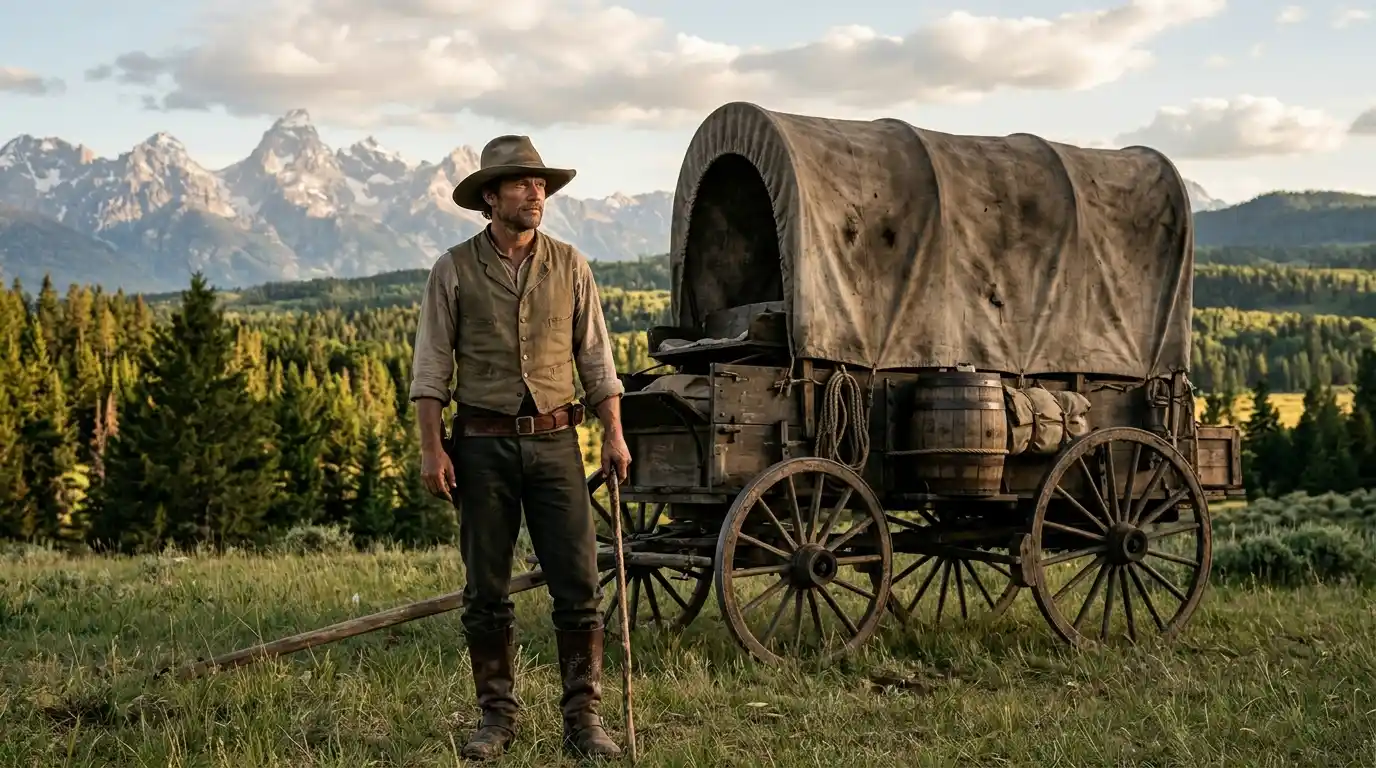
Synonyms of pioneer help you describe brave thinkers and first-movers with real impact. Last year, my neighbor opened the first zero-waste grocery store in our quiet town.
Repeating the same word makes your stories and essays feel predictable. Learning fresh synonyms of pioneer expands your vocabulary and keeps readers engaged.
People use this word often in business, science, history, and daily praise. Mastering these synonyms of pioneer helps students, bloggers, content writers, and daily speakers sound sharper.
What Does “Pioneer” Really Mean?
In simple English, a pioneer is one of the first people to explore a new place, develop a new idea, or use a new method.
The word carries an inspiring, brave, and forward-looking attitude. Native speakers understand it as someone who breaks barriers so others can follow safely.
It appears in tech startups, medical breakthroughs, social movements, and historical stories. For example, early electric car makers were true pioneers in clean transport.
Part of Speech: Noun (most common), Verb (meaning to develop or be the first to use something).Simple Definition: A person or group that is the first to explore, invent, or open up a new area of work or thought.
Connotative Meaning
Connotation (the hidden emotional feeling or cultural association a word carries beyond its literal dictionary definition).
- Positive tone: Suggests bravery, vision, creativity, and inspiring leadership (e.g., trailblazer, innovator, visionary, groundbreaker).
- Negative tone: Suggests recklessness, radical disruption, or breaking rules too aggressively (e.g., maverick, rebel, radical, nonconformist).
- Neutral tone: Simply describes someone who arrived or started first without judging their impact (e.g., founder, settler, predecessor, starter).
Etymology
- Origin: Pioneer comes from the Middle French word pionnier, meaning “foot soldier.” It traces back to Old French peon and Latin pedonem, meaning “one who walks on foot.”
- Old English (450–1100): The word pioneer did not exist in Old English yet. Speakers used native Germanic terms like fruma (beginner or creator) and foregenga (forerunner).
- Middle English (1100–1500): The word entered English around the 1520s from French military terms. At first, it described soldiers who marched ahead of an army to dig trenches and clear roads.
- Modern English (1500–Present): By the 1600s, the meaning expanded to explorers settling new lands. Today, it celebrates innovators in science, art, business, and technology.
Pronunciation & Word Structure
- US IPA: /ˌpaɪəˈnɪr/
- UK IPA: /ˌpaɪəˈnɪə/
- Syllables: pi-o-neer
Affixation Pattern:
- Root: peon / ped- (from Latin pes, meaning “foot”)
- Prefix: None
- Suffix: -eer (noun-forming suffix meaning “a person concerned with or doing something”)
Core Synonyms of Pioneer
Trailblazer (Noun) — US /ˈtreɪlˌbleɪzər/ | UK /ˈtreɪlbleɪzə/
Meaning: A person who is the first to do something new and makes it easier for others to follow.
Examples:
- As the first female surgeon at the hospital, she was a true trailblazer.
- That small coffee roaster was a trailblazer in fair-trade sourcing.
Innovator (Noun) — US /ˈɪnəˌveɪtər/ | UK /ˈɪnəveɪtə/
Meaning: Someone who introduces new ideas, methods, or creative products.
Examples:
- Steve Jobs is remembered as a major innovator in personal technology.
- Our school rewards teachers who act as innovators in the classroom.
Groundbreaker (Noun) — US /ˈɡraʊndˌbreɪkər/ | UK /ˈɡraʊndbreɪkə/
Meaning: Someone who starts a completely new project or changes how things are done.
Examples:
- Her documentary was a groundbreaker in wildlife filmmaking.
- Early solar engineers were true groundbreakers in clean energy.
Pathfinder (Noun) — US /ˈpæθˌfaɪndər/ | UK /ˈpɑːθfaɪndə/
Meaning: A person who discovers a new route, method, or solution through unknown territory.
Examples:
- Scouts acted as pathfinders to guide the hikers safely through the thick forest.
- She became a pathfinder for young women entering space science.
Forerunner (Noun) — US /ˈfɔrˌrʌnər/ | UK /ˈfɔːrʌnə/
Meaning: An earlier person or thing that prepares the way for something similar later.
Examples:
- Early radio hosts were the direct forerunners of modern podcasters.
- He was a brave forerunner in environmental protection laws.
Precursor (Noun) — US /priˈkɜrsər/ | UK /priːˈkɜːsə/
Meaning: A person or thing that comes before another and leads to its development.
Examples:
- The rotary phone was an early precursor to the modern smartphone.
- Local community clinics were precursors to modern urgent care centers.
Visionary (Noun) — US /ˈvɪʒəˌnɛri/ | UK /ˈvɪʒənəri/
Meaning: A person who can imagine the future clearly and plan bold new ideas for it.
Examples:
- Only a true visionary could picture electric cars replacing gas engines twenty years ago.
- The city planner was a visionary who built parks instead of highways.
Founder (Noun) — US /ˈfaʊndər/ | UK /ˈfaʊndə/
Meaning: A person who starts a new business, school, charity, or organization.
Examples:
- The founder of the bakery still wakes up at four every morning to bake bread.
- Two college roommates became the founders of a global software company.
Creator (Noun) — US /kriˈeɪtər/ | UK /kriːˈeɪtə/
Meaning: Someone who brings something brand new into existence through skill or imagination.
Examples:
- The creator of the popular comic strip started drawing it on napkins.
- Digital creators now reach millions of viewers from their bedrooms.
Inventor (Noun) — US /ɪnˈvɛntər/ | UK /ɪnˈvɛntə/
Meaning: A person who designs or builds a brand-new machine, tool, or process.
Examples:
- Alexander Graham Bell is famous as the inventor of the telephone.
- Young inventors gathered at the science fair to show off their robots.
Originator (Noun) — US /əˈrɪdʒəˌneɪtər/ | UK /əˈrɪdʒɪneɪtə/
Meaning: The person who first thinks of an idea, plan, or style.
Examples:
- Who was the original originator of the four-day workweek concept?
- She is widely credited as the originator of this popular teaching method.
Initiator (Noun) — US /ɪˈnɪʃiˌeɪtər/ | UK /ɪˈnɪʃɪeɪtə/
Meaning: Someone who causes a new process, project, or action to begin.
Examples:
- Tom was the initiator of our neighborhood recycling program.
- Good managers act as initiators when a team feels stuck.
Instigator (Noun) — US /ˈɪnstəˌɡeɪtər/ | UK /ˈɪnstɪɡeɪtə/
Meaning: A person who starts an action, debate, or big change, often causing excitement or trouble.
Examples:
- Maya was the playful instigator behind our office prank war.
- Bold journalists often act as instigators of important public reforms.
Architect (Noun) — US /ˈɑrkəˌtɛkt/ | UK /ˈɑːkɪtɛkt/
Meaning: The main planner or designer behind a major system, event, or success.
Examples:
- He was the chief architect of the company’s remote work policy.
- Coach Miller was the architect of the team’s championship victory.
Mastermind (Noun) — US /ˈmæstərˌmaɪnd/ | UK /ˈmɑːstəmaɪnd/
Meaning: A brilliant planner who invents and directs a complex project or scheme.
Examples:
- She was the mastermind behind the museum’s viral social media campaign.
- Police finally caught the mastermind behind the art heist.
Explorer (Noun) — US /ɪkˈsplɔrər/ | UK /ɪkˈsplɔːrə/
Meaning: Someone who travels to unknown places or investigates brand-new subjects.
Examples:
- Deep-sea explorers discovered three new species of glowing fish last month.
- Great scientists are curious explorers of how nature works.
Settler (Noun) — US /ˈsɛtlər/ | UK /ˈsɛtlə/
Meaning: One of the first people to move into and live in a new area or frontier.
Examples:
- Early settlers built wooden cabins along the river valley.
- Space agencies dream of sending human settlers to Mars one day.
Colonist (Noun) — US /ˈkɑlənɪst/ | UK /ˈkɒlənɪst/
Meaning: A person who helps establish a new community or settlement in a distant land.
Examples:
- Early colonists faced harsh winters while learning to farm new crops.
- Sci-fi books often tell stories about brave colonists building cities on distant moons.
Frontiersman (Noun) — US /frʌnˈtɪrzmən/ | UK /ˈfrʌntɪəzmən/
Meaning: A person living on the edge of settled land who opens up wild territory.
Examples:
- My great-grandfather lived as a rugged frontiersman in the northern woods.
- Old folk songs celebrate the courage of early frontiersmen.
Vanguard (Noun) — US /ˈvænˌɡɑrd/ | UK /ˈvænɡɑːd/
Meaning: The leading group of people at the forefront of new developments or ideas.
Examples:
- That research lab is in the vanguard of clean battery technology.
- Independent filmmakers often stand in the vanguard of bold storytelling.
Frontrunner (Noun) — US /ˈfrʌntˌrʌnər/ | UK /ˈfrʌntrʌnə/
Meaning: The person or organization leading a race, competition, or new trend.
Examples:
- Our local clinic is a frontrunner in adopting painless laser dentistry.
- She quickly became the frontrunner in the race for city mayor.
Leader (Noun) — US /ˈlidər/ | UK /ˈliːdə/
Meaning: A person or company that guides others and sets the pace in a field.
Examples:
- That brand has been a market leader in sustainable packaging for ten years.
- A good leader inspires teammates to try fresh ideas without fear.
Trendsetter (Noun) — US /ˈtrɛndˌsɛtər/ | UK /ˈtrɛndsɛtə/
Meaning: Someone who starts a new fashion, habit, or style that others quickly copy.
Examples:
- My cousin is a real trendsetter who always wears vintage jackets before they get popular.
- That tiny cafe became a trendsetter by serving oat milk lattes years ago.
Pacemaker (Noun) — US /ˈpeɪsˌmeɪkər/ | UK /ˈpeɪsmeɪkə/
Meaning: A person or group that sets the speed or standard of progress for others.
Examples:
- Our engineering team acts as the pacemaker for the entire software industry.
- In long-distance running, a pacemaker helps athletes keep a steady speed.
Torchbearer (Noun) — US /ˈtɔrtʃˌbɛrər/ | UK /ˈtɔːtʃbeərə/
Meaning: Someone who leads a movement and carries forward an important mission or truth.
Examples:
- Young climate activists have become the new torchbearers for clean energy.
- She proudly served as a torchbearer for equal education in rural towns.
Standard-bearer (Noun) — US /ˈstændərdˌbɛrər/ | UK /ˈstændədbeərə/
Meaning: A leading figure who represents and champions a cause, movement, or high quality.
Examples:
- That university remains a standard-bearer for medical research.
- He was chosen as the standard-bearer for the union’s fair-wage campaign.
Maverick (Noun) — US /ˈmævrɪk/ | UK /ˈmævrɪk/
Meaning: An independent thinker who refuses to follow standard rules and tries bold new ways.
Examples:
- The chef is a culinary maverick who mixes sweet fruit with spicy street food.
- Every industry needs a few mavericks to challenge boring habits.
Rebel (Noun) — US /ˈrɛbəl/ | UK /ˈrɛbəl/
Meaning: Someone who resists traditional rules or authority to push for something different.
Examples:
- In the 1970s, punk musicians were creative rebels against polished pop music.
- She was a gentle rebel who wore sneakers with her formal graduation gown.
Nonconformist (Noun) — US /ˌnɑnkənˈfɔrmɪst/ | UK /ˌnɒnkənˈfɔːmɪst/
Meaning: A person who lives, works, or thinks differently from accepted social habits.
Examples:
- As a true nonconformist, he built his own tiny house off the power grid.
- History books are full of nonconformists whose weird ideas changed the world.
Radical (Noun) — US /ˈrædɪkəl/ | UK /ˈrædɪkəl/
Meaning: Someone who supports complete, fundamental change to traditional systems.
Examples:
- Early advocates for women’s voting rights were once called dangerous radicals.
- The young architect proposed radical new designs for floating cities.
Revolutionary (Noun) — US /ˌrɛvəˈluʃəˌnɛri/ | UK /ˌrɛvəˈluːʃənəri/
Meaning: A person who creates or leads a massive, dramatic change in how things work.
Examples:
- Wright brothers were aviation revolutionaries who proved humans could fly.
- That coder is a quiet revolutionary in open-source artificial intelligence.
Disruptor (Noun) — US /dɪsˈrʌptər/ | UK /dɪsˈrʌptə/
Meaning: A person or company that changes a traditional industry with a fresh, simpler idea.
Examples:
- Online streaming platforms acted as major disruptors to traditional cable TV.
- Startups love calling themselves disruptors when they lower prices for customers.
Game-changer (Noun) — US /ˈɡeɪmˌtʃeɪndʒər/ | UK /ˈɡeɪmtʃeɪndʒə/
Meaning: A person, idea, or invention that completely transforms an existing situation.
Examples:
- Hiring a dedicated coach was a total game-changer for our struggling team.
- Portable solar chargers are a game-changer for weekend campers.
Catalyst (Noun) — US /ˈkætəlɪst/ | UK /ˈkætəlɪst/
Meaning: A person or event that sparks rapid change or action in others.
Examples:
- Her inspiring speech acted as a catalyst for our town’s cleanup drive.
- Curiosity is often the strongest catalyst for lifelong learning.
Developer (Noun) — US /dɪˈvɛləpər/ | UK /dɪˈvɛləpə/
Meaning: Someone who creates, grows, or improves new products, land, or ideas.
Examples:
- Software developers worked all weekend to launch the new language app.
- Local developers turned the abandoned factory into affordable apartments.
Builder (Noun) — US /ˈbɪldər/ | UK /ˈbɪldə/
Meaning: A person who creates and grows organizations, communities, or systems from scratch.
Examples:
- Great teachers are builders of confidence in shy students.
- She is a natural builder who loves turning rough sketches into real businesses.
Establisher (Noun) — US /ɪˈstæblɪʃər/ | UK /ɪˈstæblɪʃə/
Meaning: Someone who sets up a new institution, rule, or system on a firm basis.
Examples:
- He is honored as the establisher of the city’s first free public library.
- Early establishers of the club wrote simple rules that still work today.
Predecessor (Noun) — US /ˈprɛdəˌsɛsər/ | UK /ˈpriːdɪsɛsə/
Meaning: The person who held a job, role, or position before the current person.
Examples:
- My predecessor left neat notes that made my first week at work easy.
- Modern smartphones are much faster than their bulky predecessors.
Ancestor (Noun) — US /ˈænˌsɛstər/ | UK /ˈænsɪstə/
Meaning: An early family member or an early version from which later ones developed.
Examples:
- The clumsy wooden bicycle is the direct ancestor of today’s carbon racing bike.
- Learning about our ancestors helps us understand family traditions.
Forebear (Noun) — US /ˈfɔrˌbɛr/ | UK /ˈfɔːbeə/
Meaning: An ancestor or early pioneer who lived and worked in an earlier time.
Examples:
- Our forebears crossed oceans without GPS or weather forecasts.
- Modern doctors owe a huge debt to their brave medical forebears.
Explorer-in-chief (Noun) — US /ɪkˈsplɔrər ɪn tʃif/ | UK /ɪkˈsplɔːrər ɪn tʃiːf/
Meaning: The main leader who directs discoveries and experimental projects.
Examples:
- In our research lab, Dr. Chen serves as the explorer-in-chief for new materials.
- Every curious child acts as the explorer-in-chief of their own backyard.
Spearhead (Noun) — US /ˈspɪrˌhɛd/ | UK /ˈspɪəhɛd/
Meaning: The person or group leading an attack, campaign, or bold new movement.
Examples:
- Maria acted as the spearhead of our school’s zero-plastic campaign.
- A small team of nurses formed the spearhead of the rural vaccine drive.
Bellwether (Noun) — US /ˈbɛlˌwɛðər/ | UK /ˈbɛlweðə/
Meaning: Someone or something that leads the way and shows future trends early.
Examples:
- Independent bookstores are often a bellwether for local reading trends.
- That tech conference serves as a reliable bellwether for next year’s gadgets.
Harbinger (Noun) — US /ˈhɑrbɪndʒər/ | UK /ˈhɑːbɪndʒə/
Meaning: A person or sign that goes ahead and announces the arrival of something new.
Examples:
- Blooming yellow daffodils are my favorite harbinger of warm spring days.
- Early electric buses were a clear harbinger of cleaner city transit.
Scout (Noun) — US /skaʊt/ | UK /skaʊt/
Meaning: Someone sent ahead to explore a new area and gather useful information.
Examples:
- Talent scouts watched the high school game looking for future stars.
- We sent a scout ahead to check if the mountain bridge was safe to cross.
Synonyms for “Pioneer” by Tone
Choosing the right synonym depends heavily on the attitude you want to project. Calling someone a visionary sounds admiring and heroic, while calling them a disruptor feels bold and edgy.
- Positive Tone: Trailblazer, innovator, groundbreaker, pathfinder, visionary, torchbearer, standard-bearer, game-changer. These words highlight courage, brilliance, and positive impact.
- Neutral Tone: Founder, creator, inventor, originator, initiator, developer, builder, predecessor, settler, forerunner. These words simply state who started something first without strong emotion.
- Negative Tone: Maverick, rebel, radical, instigator (when used critically to describe someone who breaks rules recklessly or causes chaos).
- Playful / Informal Tone: Trendsetter, mastermind, disruptor, scout. These lively words add modern energy and conversational flair to everyday stories.
Mini Comparison: Pioneer vs. Close Alternatives
Pioneer vs. Trailblazer vs. Innovator
- Meaning difference: A pioneer is the very first to enter or open up a new field. A trailblazer creates a clear path through difficult obstacles so others can follow. An innovator improves existing systems with clever new ideas.
- Tone difference: Pioneer feels historic and brave. Trailblazer feels inspiring and energetic. Innovator feels smart and modern.
- When to use each: Use pioneer for early space explorers, trailblazer for the first woman CEO in an industry, and innovator for someone designing a smarter app.
Pioneer vs. Founder vs. Precursor
- Meaning difference: A pioneer opens up a whole new category or territory. A founder starts a specific company or school. A precursor is an earlier version that leads to something better later.
- Tone difference: Pioneer is bold. Founder is practical and business-focused. Precursor is analytical and historical.
- When to use each: Use pioneer for early aviation pilots, founder for the person who opened your favorite cafe, and precursor for the telegraph before the telephone.
How “Pioneer” Changes by Context
Daily Conversation
In casual chats, native speakers rarely call friends pioneers unless teasing them warmly. They prefer friendly, everyday words like trendsetter, creator, starter, or game-changer.
Writing or Blogging
Bloggers and content writers love dynamic nouns that build excitement. Using trailblazer, disruptor, architect, or catalyst makes articles about tech, culture, and personal growth pop.
Professional or Academic Tone
In business reports, biographies, and research papers, exact terminology builds authority. Writers choose innovator, originator, precursor, vanguard, and standard-bearer to sound credible.
Creative or Informal Use
Storytellers rely on vivid, sensory words to paint heroic or rebellious characters. Words like pathfinder, frontiersman, torchbearer, and maverick add rich texture to stories.
Common Mistakes & Native Usage
Common Mistakes Learners Make
- Redundant phrasing like “first pioneer”: Because a pioneer is already the first person to do something, saying “the very first pioneer” is repetitive. Simply say “a pioneer” or “an early pioneer.”
- Confusing pioneer (noun) with pioneer (verb): You can say “She was a pioneer in robotics” (noun) OR “She pioneered robotics” (verb). Avoid saying “She pioneered in robotics”—the verb takes a direct object without “in.”
- Using settler for modern business: Settler applies to people moving to new physical lands or planets. For business or technology, always use founder, innovator, or pioneer.
Register Notes
- Formal vs. Informal: Forerunner, precursor, vanguard, and forebear belong in formal essays and history books. Trendsetter, game-changer, and mastermind fit casual speech.
- Spoken vs. Written English: Spoken English favors relatable nouns like founder and inventor. Written English favors metaphorical nouns like catalyst, bellwether, and spearhead.
(Tip: When writing about people who guide others forward, check out our guide on synonyms of leader for even stronger vocabulary.)
Real-Life Mini Scenarios
- Workplace: When Elena introduced automated billing to her accounting firm in 2018, coworkers doubted her, yet she proved to be a true innovator and the architect of their modern workflow.
- Social Situations: My best friend is a total trendsetter—whenever he discovers a hidden hiking trail or a new board game, the rest of us copy him within a month.
- Media & Pop Culture: Early video game designers were fearless groundbreakers, turning simple pixelated blocks into the precursors of today’s massive virtual worlds.
- Writing & Storytelling: In adventure novels, a skilled pathfinder walks ahead of the group, acting as a scout who reads the wind and stars to find safe passage.
Conclusion
Expanding your vocabulary beyond basic nouns gives your voice fresh energy and precision. Learning the best synonyms of pioneer helps you celebrate creativity, courage, and leadership with exact words.
Whether you are writing a history essay, crafting a startup blog post, or praising a creative friend, the right word makes your message unforgettable.
Start practicing today. Pick three new words from this list and use them in your next email, article, or daily conversation!
Practice Exercise: Test Your Vocabulary
Choose the best synonym of pioneer to fit the context and tone of each sentence.
1. As the first woman to direct a major action movie, she was celebrated as a true ______.
A) settler
B) trailblazer
C) predecessor
D) colonist
2. The bulky 1980s brick phone was an early ______ to the sleek smartphones we use today.
A) precursor
B) maverick
C) trendsetter
D) instigator
3. Two college friends became the ______ of a bakery that now has fifty shops nationwide.
A) founders
B) scouts
C) rebels
D) harbingers
4. That electric car company acted as a major ______ that forced traditional automakers to change. A) forebear
B) disruptor
C) settler g
D) ancestor
5. My ______ left clear training manuals on the desk before retiring from the manager role.
A) predecessor
B) visionary
C) catalyst
D) inventor
6. Only a bold ______ could imagine building self-landing rockets twenty years ago.
A) colonist
B) visionary
C) scout
D) establisher
7. Her viral speech acted as a ______ that sparked nationwide student protests for clean water.
A) catalyst
B) frontiersman
C) ancestor
D) builder
8. The chef is a culinary ______ who ignores traditional recipes to invent wild flavor combos.
A) maverick
B) settler
C) predecessor
D) pacemaker
9. That research hospital stands in the ______ of curing rare genetic diseases.
A) vanguard
B) colonist
C) instigator
D) rebel
10. Maya is a natural ______ who always wears unique thrift-store outfits before they become popular.
A) trendsetter
B) forebear
C) precursor
D) frontiersman
Answer Key: 1-B, 2-A, 3-A, 4-B, 5-A, 6-B, 7-A, 8-A, 9-A, 10-A,
Reflection Task: Pick one synonym from this list that you rarely use (such as trailblazer, catalyst, or vanguard) and write one original sentence describing someone who inspired you or started something new.

Clara Lexon is a language specialist and contributing writer at https PrayIstic.com. She focuses on vocabulary growth, synonym clarity, and precise word choice. With a background in English literature, Clara helps students, bloggers, and writers strengthen their communication skills. Her articles simplify complex language concepts and make learning new words practical and engaging.