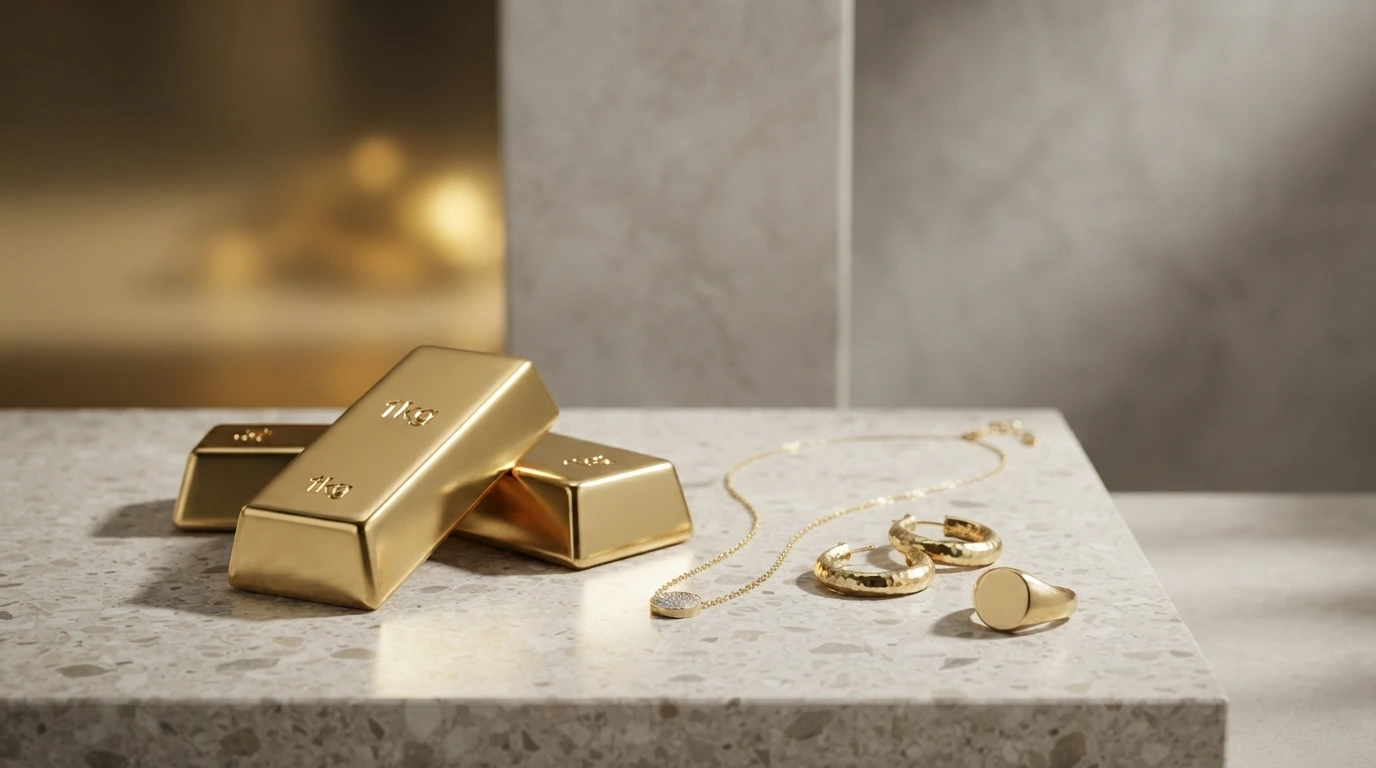
Synonyms of gold allow you to capture luxury, beauty, and high quality without overusing the exact same basic vocabulary word repeatedly.
Picture yourself describing an unforgettable autumn afternoon or an award-winning essay draft without relying on predictable phrasing every time.
By learning synonyms of gold, students, bloggers, and content writers can effortlessly choose the ideal word for any specific writing situation.
Mastering synonyms of gold expands your vocabulary skills, eliminates repetitive phrasing, and instantly boosts your daily spoken and written English.
What Does “Gold” Really Mean?
Definition & Meaning: Gold is a soft, dense, bright yellow precious metal prized for jewelry, coinage, and electronics. Figuratively, it denotes supreme value, excellence, deep beauty, or remarkable achievement.
Part of Speech: Noun, Adjective
Emotional Tone: Highly positive, prestigious, and radiant.
Native Usage & Context: Native speakers use “gold” to signal physical wealth, top success (e.g., “gold medal,” “gold standard”), or exceptional character (e.g., “a heart of gold”).
Connotative Meaning
- Positive tone: Wealth, triumph, purity, supreme excellence, brightness.
- Negative tone: Materialism, greed, excess, hoarding.
- Neutral tone: The chemical element (Au), atomic number 79, raw mineral.
- (Connotation is the secondary, emotional, or cultural meaning implied by a word beyond its direct definition.)
Etymology
The term traces back to the Proto-Indo-European root *ghel-, meaning “to shine” or “yellow/green.”
- Old English (450–1100): Gold (meaning precious yellow metal).
- Middle English (1100–1500): Gold / Gould (retained core sense of value and purity).
- Modern English (1500–Present): Gold expanded into broad figurative meanings of excellence, quality, and status.
Pronunciation (US & UK – IPA):
- US: /ɡoʊld/
- UK: /ɡəʊld/
Syllables: gold (1 syllable)
Affixation Pattern:
- Root: Gold
- Prefix: None
- Suffix: None
Synonyms List
Gilded (Adjective) — US: /ˈɡɪl.dɪd/ | UK: /ˈɡɪl.dɪd/
Meaning: Covered with a thin layer of gold leaf or soft yellow light.
Examples:
- The museum displayed a beautiful gilded frame.
- Golden sunlight streamed through the gilded curtains.
Golden (Adjective) — US: /ˈɡoʊl.dən/ | UK: /ˈɡəʊl.dən/
Meaning: Having the bright yellow color or precious quality of gold.
Examples:
- She walked across the golden beach at sunset.
- He missed a golden opportunity to present his ideas.
Auric (Adjective) — US: /ˈɔːr.ɪk/ | UK: /ˈɔː.rɪk/
Meaning: Relating to or derived from chemical gold.
Examples:
- The chemist analyzed the auric compound in the lab.
- The historical text mentioned ancient auric artifacts.
Aureate (Adjective) — US: /ˈɔː.ri.ət/ | UK: /ˈɔː.ri.eɪt/
Meaning: Resplendent, golden in color, or highly embellished in literary style.
Examples:
- The poet used aureate language to describe the dawn.
- An aureate glow covered the valley during autumn.
Precious (Adjective) — US: /ˈpreʃ.əs/ | UK: /ˈpreʃ.əs/
Meaning: Of great value, high price, or deep emotional worth.
Examples:
- She kept her grandmother’s precious ring in a safe box.
- Clean drinking water is a precious resource in dry climates.
Wealth (Noun) — US: /welθ/ | UK: /welθ/
Meaning: An abundance of valuable possessions, money, or resources.
Examples:
- The nation generated immense wealth through trade.
- Her vast wealth allowed her to support many charities.
Bullion (Noun) — US: /ˈbʊl.jən/ | UK: /ˈbʊl.i.ən/
Meaning: Gold or silver in bulk before coining, valued by weight.
Examples:
- The bank stored rows of gold bullion in the vault.
- Investors bought gold bullion during economic market shifts.
Treasure (Noun) — US: /ˈtreʒ.ɚ/ | UK: /ˈtreʒ.ə/
Meaning: A quantity of precious metals, gems, or valuable objects.
Examples:
- Divers found ancient treasure inside the sunken ship.
- The library holds a true treasure of rare manuscripts.
Gilt (Adjective / Noun) — US: /ɡɪlt/ | UK: /ɡɪlt/
Meaning: Covered thinly with gold leaf, or the thin gold coating itself.
Examples:
- The antique mirror had an elegant gilt border.
- Light reflected softly off the gilt lettering on the book.
Resplendent (Adjective) — US: /rɪˈsplen.dənt/ | UK: /rɪˈsplen.dənt/
Meaning: Attractive and impressive through being richly colorful or shining.
Examples:
- The bride looked resplendent in her traditional gown.
- Trees showed resplendent autumn colors along the river.
Yellow Metal (Noun) — US: /ˈjel.oʊ ˈmet.əl/ | UK: /ˈjel.əʊ ˈmet.əl/
Meaning: An informal or financial market term specifically for physical gold.
Examples:
- Traders moved their assets into the yellow metal today.
- The price of the yellow metal rose significantly this morning.
Gleaming (Adjective) — US: /ˈɡliː.mɪŋ/ | UK: /ˈɡliː.mɪŋ/
Meaning: Shining brightly with reflected light.
Examples:
- The chef polished the kitchen surfaces until they were gleaming.
- A gleaming sports car stood parked outside the hotel.
Lustrous (Adjective) — US: /ˈlʌs.trəs/ | UK: /ˈlʌs.trəs/
Meaning: Having a gentle sheen or soft radiant glow.
Examples:
- Her lustrous hair caught the evening light.
- The museum displayed a collection of lustrous pearls.
Sumptuous (Adjective) — US: /ˈsʌmp.tʃu.əs/ | UK: /ˈsʌmp.tʃu.əs/
Meaning: Splendid and expensive-looking; luxurious.
Examples:
- They served a sumptuous feast for the holiday guests.
- The palace featured sumptuous furnishings and silk drapery.
Opulent (Adjective) — US: /ˈɑː.pjə.lənt/ | UK: /ˈɒp.jə.lənt/
Meaning: Ostentatiously rich, luxurious, or lavish.
Examples:
- The mansion had an opulent lobby with marble columns.
- He lived an opulent lifestyle after his business succeeded.
Aurous (Adjective) — US: /ˈɔːr.əs/ | UK: /ˈɔː.rəs/
Meaning: on to gold, particularly containing univalent gold in chemical terms.
Examples:
- The scientist observed an aurous reaction in the glass tube.
- Aurous elements were historically studied in ancient metallurgy.
Auriferous (Adjective) — US: /ɔːˈrɪf.ɚ.əs/ | UK: /ɔːˈrɪf.ər.əs/
Meaning: Containing or producing gold.
Examples:
- Miners traveled west to explore the auriferous rock formations.
- The riverbed proved to be highly auriferous after tests.
Chrysoid (Adjective) — US: /ˈkrɪs.ɔɪd/ | UK: /ˈkrɪs.ɔɪd/
Meaning: Having the appearance or resemblance of gold.
Examples:
- The beetle displayed a chrysoid sheen under daylight.
- She admired the chrysoid embroidery along the fabric.
Chrysal (Adjective) — US: /ˈkrɪs.əl/ | UK: /ˈkrɪs.əl/
Meaning: Resembling gold in brilliant tone or golden color.
Examples:
- The autumn leaves reflected a chrysal brightness.
- The artist painted chrysal highlights on the canvas.
Amber (Adjective / Noun) — US: /ˈæm.bɚ/ | UK: /ˈæm.bər/
Meaning: A warm, honey-yellow color reminiscent of polished gold or fossil resin.
Examples:
- An amber glow illuminated the quiet street at dusk.
- The tea had a rich amber hue in the glass cup.
Tawny (Adjective) — US: /ˈtɑː.ni/ | UK: /ˈtɔː.ni/
Meaning: Of an orange-brown or warm yellowish-gold color.
Examples:
- The lion showed off a thick, tawny coat in the sun.
- The tawny grass swayed across the open field.
Blonde (Adjective) — US: /blɑːnd/ | UK: /blɒnd/
Meaning: Having a light yellowish or pale golden color.
Examples:
- Light caught her natural blonde highlights during the afternoon.
- The furniture was made from smooth, blonde wood.
Brassy (Adjective) — US: /ˈbræs.i/ | UK: /ˈbrɑː.si/
Meaning: Resembling brass in bright yellow color or metallic shine.
Examples:
- The metallic paint took on a brassy tint under bright bulbs.
- The morning sun cast a brassy glare on the ocean.
Brazen (Adjective) — US: /ˈbreɪ.zən/ | UK: /ˈbreɪ.zən/
Meaning: Made of or resembling brass or bright golden metal.
Examples:
- An ancient brazen shield hung on the museum wall.
- The door featured a bold brazen latch.
Bronze (Adjective / Noun) — US: /brɑːnz/ | UK: /brɒnz/
Meaning: A warm yellowish-brown metallic color suggesting metal alloy.
Examples:
- His skin developed a healthy bronze tone over the summer.
- The sculptor polished the bronze statue until it shone.
Jewel (Noun) — US: /ˈdʒuː.əl/ | UK: /ˈdʒuː.əl/
Meaning: Something treasured for its extreme value, beauty, or perfection.
Examples:
- The historic village is the jewel of the coastline.
- She views her grandfather’s journal as a personal jewel.
Gem (Noun) — US: /dʒem/ | UK: /dʒem/
Meaning: A highly prized, valuable, or outstanding person or object.
Examples:
- That quiet coffee shop is an absolute hidden gem.
- Her latest article is a brilliant gem of writing.
Riches (Noun) — US: /ˈrɪtʃ.ɪz/ | UK: /ˈrɪtʃ.ɪz/
Meaning: Plentiful valuable possessions, wealth, or resources.
Examples:
- Traders traveled across continents in search of riches.
- The region holds vast natural riches beneath its soil.
Assets (Noun) — US: /ˈæs.ets/ | UK: /ˈæs.ets/
Meaning: Valuable items, property, or resources owned by a person or entity.
Examples:
- Gold coins remain reliable financial assets during inflation.
- Her sharp mind proved to be her strongest asset.
Fortune (Noun) — US: /ˈfɔːr.tʃuːn/ | UK: /ˈfɔː.tʃuːn/
Meaning: A large amount of money or valuable property.
Examples:
- He built a massive fortune in the tech industry.
- Finding that rare coin was worth a small fortune.
Capital (Noun) — US: /ˈkæp.ə.t̬əl/ | UK: /ˈkæp.ɪ.təl/
Meaning: Accumulated wealth or economic goods used to generate more value.
Examples:
- The company raised capital to launch its new product.
- Gold reserves provide stable capital for financial institutions.
Currency (Noun) — US: /ˈkɝː.ən.si/ | UK: /ˈkʌr.ən.si/
Meaning: A medium of exchange in common circulation.
Examples:
- Historical empires used gold coins as global currency.
- Trust is a vital currency in effective team leadership.
Specie (Noun) — US: /ˈspiː.ʃiː/ | UK: /ˈspiː.ʃiː/
Meaning: Money in the form of coins rather than paper notes.
Examples:
- Merchants demanded payment in specie during economic turmoil.
- The vault held bags of historic gold specie.
Coinage (Noun) — US: /ˈkɔɪ.nɪdʒ/ | UK: /ˈkɔɪ.nɪdʒ/
Meaning: Coins collectively or metal used for making coins.
Examples:
- Ancient Roman coinage featured detailed imperial portraits.
- Gold remained essential to national coinage for centuries.
Mintage (Noun) — US: /ˈmɪn.t̬ɪdʒ/ | UK: /ˈmɪn.tɪdʒ/
Meaning: The act or process of minting coins, or coins produced in a mint.
Examples:
- Collectors prized the rare gold mintage from 1899.
- The royal mint produced commemorative yellow coins.
Valuables (Noun) — US: /ˈvæl.ju.ə.bəlz/ | UK: /ˈvæl.ju.ə.bəlz/
Meaning: Items of high monetary or personal worth.
Examples:
- Please secure your personal valuables in the hotel safe.
- The chest contained gold jewelry and other family valuables.
Hoard (Noun) — US: /hɔːrd/ | UK: /hɔːd/
Meaning: A secret or guarded store of valuable objects or money.
Examples:
- Archaeologists uncovered an Anglo-Saxon gold hoard in the field.
- The dragon guarded a vast hoard of gold in the legend.
Cache (Noun) — US: /kæʃ/ | UK: /kæʃ/
Meaning: A hidden collection of valuable items or stores.
Examples:
- Explorers found a hidden cache of gold bars in the cave.
- The spy buried a small cache of coins near the border.
Nugget (Noun) — US: /ˈnʌɡ.ɪt/ | UK: /ˈnʌɡ.ɪt/
Meaning: A small solid lump of precious metal as found in nature, or a valuable idea or fact.
Examples:
- The prospector spotted a shiny gold nugget in his pan.
- The speaker shared a valuable nugget of career advice.
Ore (Noun) — US: /ɔːr/ | UK: /ɔː/
Meaning: Naturally occurring rock from which precious metal can be extracted.
Examples:
- Workers transported raw gold ore to the refinery.
- The mountain contained rich veins of metal ore.
Splendid (Adjective) — US: /ˈsplen.dɪd/ | UK: /ˈsplen.dɪd/
Meaning: Magnificent, impressive, or exceptionally excellent.
Examples:
- The hall was decorated with splendid golden banners.
- She delivered a splendid performance at the concert.
Radiant (Adjective) — US: /ˈreɪ.di.ənt/ | UK: /ˈreɪ.di.ənt/
Meaning: Sending out light or shining brightly.
Examples:
- The bride wore a radiant golden gown.
- Radiant sunbeams illuminated the morning fog.
Luminous (Adjective) — US: /ˈluː.mə.nəs/ | UK: /ˈluː.mɪ.nəs/
Meaning: Giving off light or glowing brightly in the dark.
Examples:
- The clock face had luminous gold hands.
- Her skin showed a luminous, healthy glow.
Dazzling (Adjective) — US: /ˈdæz.lɪŋ/ | UK: /ˈdæz.lɪŋ/
Meaning: Extremely bright or impressively magnificent.
Examples:
- The gallery displayed a dazzling collection of gold crowns.
- He gave a dazzling smile before stepping on stage.
Halcyon (Adjective) — US: /ˈhæl.si.ən/ | UK: /ˈhæl.si.ən/
Meaning: Denoting a period of time that was idyllically happy, peaceful, and golden.
Examples:
- He fondly recalled the halcyon days of his youth.
- The country enjoyed a halcyon era of prosperity and art.
Synonyms by Tone
- Positive / Radiant: Golden, resplendent, lustrous, precious, radiant, luminous, dazzling, halcyon, splendid.
- Neutral / Technical: Auric, aurous, auriferous, bullion, yellow metal, gilt, specie, ore, mintage, assets.
- Formal / Literary: Aureate, sumptuous, opulent, chrysoid, chrysal, hoard, cache.
- Playful / Informal: Treasure, jewel, gem, nugget, golden (e.g., “golden ticket”).
Understanding tone prevents awkward phrasing such as using “opulent” for a basic item or “bullion” for simple costume jewelry.
Mini Comparison
Gold vs. Golden vs. Gilded
- Gold: Refers directly to the physical metal or supreme quality (e.g., gold medal).
- Golden: Refers to color, radiant light, or favorable conditions (e.g., golden hour, golden opportunity).
- Gilded: Refers specifically to a non-gold base covered in a thin gold layer (e.g., gilded frame).
Context-Based Usage
- Daily Conversation: Use “golden” or “treasure” when giving compliments or describing everyday items.
- Writing & Blogging: Use “lustrous,” “gleaming,” or “resplendent” to create rich descriptions without overusing “gold.”
- Professional & Academic Tone: Use “bullion,” “precious metals,” or “auric” for financial, scientific, or market accuracy.
- Creative Writing: Use “aureate” or “gilded” to convey historic mood, atmospheric light, or detailed settings.
Common Mistakes & Native Usage
Common Mistakes Learners Make:
- Overusing “Gilded”: Calling an object “gilded” when it is made entirely of solid gold.
- Confusing “Gold” and “Golden”: Saying “gold hour” instead of the idiomatic “golden hour.”
- Applying Technical Terms Broadly: Using financial terms like “bullion” to describe small gold accessories.
Register Notes:
- “Yellow metal” is restricted to business and commodities journalism.
- “Aureate” belongs almost exclusively to poetry and high literature.
Real-Life Mini Scenarios
- Workplace: Presenting a “golden opportunity” to lead a key project team.
- Social Situations: Thanking a supportive friend by calling their generosity “pure gold.”
- Media / Finance: Analysts reporting market trends regarding “the yellow metal.”
- Storytelling: Describing an ancient palace featuring “gilded pillars and resplendent towers.”
Practice Exercise
Test your understanding of synonyms, context, and tone with these scenario-based questions!
- Which term specifically refers to gold melted into bulk bars or ingots?
A. Amber
B. Bullion
C. Ochre
D. Tawny - If a rock formation naturally contains gold minerals, geologists describe it as:
A. Auriferous
B. Flaxen
C. Gilt
D. Saffron - Which phrase naturally pairs with “opportunity” to describe a rare chance?
A. Specie
B. Golden
C. Ochre
D. Bullion - What word best describes light grayish-yellow hair or thread?
A. Flaxen
B. Bullion
C. Auric
D. Sterling - What is the most formal academic term for gold-based chemical compounds?
A. Tawny
B. Sunshiny
C. Auric
D. Amber - Which adjective describes a frame covered thinly with gold leaf?
A. Gilded
B. Bullion
C. Specie
D. Auriferous - Choose the term that best describes a lion’s brownish-yellow fur coat.
A. Tawny
B. Sterling
C. Auric
D. Specie - Which word fits best in a financial report discussing official metal coins?
A. Saffron
B. Flaxen
C. Specie
D. Sunshiny - What term describes a worker’s exceptional, high-quality performance?
A. Ochre
B. Sterling
C. Straw
D. Tawny - Which adjective describes warm, brownish-yellow light resembling fossilized resin?
A. Amber
B. Auric
C. Bullion
D. Specie
Reflection Task:
Write one original sentence describing a sunrise or valuable object using your favorite synonym from this guide!
Answer Key
- B | 2. A | 3. B | 4. A | 5. C | 6. A | 7. A | 8. C | 9. B | 10. A
Conclusion
Mastering synonyms of gold empowers you to express richness, brilliance, and value with precision across all forms of writing.
By incorporating different synonyms of gold into your work, you can elevate your essays, stories, and daily conversations effortlessly.
Start practicing these synonyms of gold today to build a dynamic vocabulary that captivates your readers and expands your linguistic confidence!

Evelyn Hartwell is an English vocabulary writer who focuses on clear, practical language for learners and everyday readers. Her writing explores synonyms, word meanings, pronunciation, tone, and natural usage. She believes that learning vocabulary should be simple, useful, and enjoyable. Her articles are designed to help students, bloggers, and English learners choose the right words with greater confidence.