
Synonyms of possess help you express ownership, qualities, and control with remarkable precision in daily English conversations. Imagine telling your employer that you own a rare skill versus stating that you possess a unique talent.
When you use different synonyms of possess, your writing transforms from repetitive to engaging instantly. A student describing a museum exhibit might say it holds historical artifacts instead of repeating the same action verb over and over.
Learning synonyms of possess allows you to select the exact emotional tone required for any situation. Repeating a single vocabulary word too many times makes essays, blog posts, and emails feel monotonous and uninspired.
These lexical variations are incredibly useful for students, bloggers, content writers, and daily English speakers alike. Expanding your vocabulary helps you communicate ideas clearly, build confidence, and speak like a native English speaker.
What Does “Possess” Really Mean?
The verb “possess” means to own, hold, or have something as a property, quality, or characteristic. Native English speakers understand it as a slightly formal word used when discussing legal ownership, personal traits, or deep internal knowledge.
It appears frequently in legal documents, academic essays, literature, and official reports. In grammar, “possess” functions primarily as a transitive verb, meaning it always requires a direct object to complete its thought.
Connotative Meaning
Connotation refers to the emotional feeling or cultural association attached to a specific word beyond its dictionary definition.
- Positive tone: Expressing rare talents, wisdom, strength, or valuable virtues.
- Negative tone: Indicating overwhelming control, obsession, or being dominated by supernatural forces.
- Neutral tone: Stating physical ownership of property, items, or legal assets.
Etymology and History
The word “possess” entered English from the Old French term possesser, which derived from the Latin verb possidere. The Latin root combines potis (meaning powerful or master) with sedere (meaning to sit), literally translating to “to sit as a master.”
- Old English (450–1100): The word did not exist in Old English; speakers used native Germanic terms like āgan (to own).
- Middle English (1100–1500): Introduced through Anglo-Norman French after the Norman Conquest, appearing in legal and religious texts.
- Modern English (1500–Present): Shifted into everyday usage to describe physical property, personal qualities, and psychological states.
Pronunciation and Syllables
- US: /pəˈzɛs/
- UK: /pəˈzɛs/
Syllables: pos-sess
Affixation Pattern:
- Root: possess
- Prefix: None
- Suffix: None
Synonyms List
Own (Verb) — US: /oʊn/ | UK: /əʊn/
Meaning: To have legal right or title to something as personal property.
Examples:
- She owns a small coffee shop in the heart of the city.
- They own three vintage sports cars in their private garage.
Have (Verb) — US: /hæv/ | UK: /hæv/
Meaning: To hold, hold in possession, or keep as a feature.
Examples:
- I have two tickets for the concert tonight.
- He has remarkable patience when teaching young children.
Hold (Verb) — US: /hoʊld/ | UK: /həʊld/
Meaning: To keep or retain something in one’s control or possession.
Examples:
- The library holds a vast collection of rare medieval manuscripts.
- She holds a master’s degree in environmental science.
Retain (Verb) — US: /rɪˈteɪn/ | UK: /rɪˈteɪn/
Meaning: To continue to have or hold something without losing it.
Examples:
- The company managed to retain its most talented employees this year.
- Good soil helps plants retain moisture during hot summer weeks.
Maintain (Verb) — US: /meɪnˈteɪn/ | UK: /meɪnˈteɪn/
Meaning: To keep something in existing state or preserve ownership.
Examples:
- He works hard to maintain a healthy work-life balance.
- The museum maintains secure conditions for delicate artwork.
Enjoy (Verb) — US: /ɛnˈdʒɔɪ/ | UK: /ɪnˈdʒɔɪ/
Meaning: To have as an advantage, privilege, or benefit.
Examples:
- The resort town enjoys warm weather throughout the entire year.
- She enjoys a reputation as a trustworthy business partner.
Bear (Verb) — US: /bɛr/ | UK: /beə/
Meaning: To carry or show a visible mark or characteristic.
Examples:
- The old letter bears an official seal from the king.
- He bears a striking resemblance to his grandfather.
Command (Verb) — US: /kəˈmænd/ | UK: /kəˈmɑːnd/
Meaning: To exercise authoritative control or deserve respect.
Examples:
- The experienced captain commands deep respect from his entire crew.
- Her impressive speech commanded the full attention of the audience.
Occupy (Verb) — US: /ˈɑːkjəˌpaɪ/ | UK: /ˈɒkjʊpaɪ/
Meaning: To reside in, hold, or fill a physical space.
Examples:
- The tech firm occupies three floors of the new building.
- Board games occupy most of the shelf space in his room.
Harbor (Verb) — US: /ˈhɑːrbər/ | UK: /ˈhɑːbə/
Meaning: To keep thoughts or feelings secretly in one’s mind.
Examples:
- She harbored a secret dream of becoming a published author.
- You should not harbor negative feelings toward your co-workers.
Cherish (Verb) — US: /ˈtʃɛrɪʃ/ | UK: /ˈtʃɛrɪʃ/
Meaning: To hold and protect something with deep love and care.
Examples:
- They cherish the handmade quilt passed down through generations.
- He cherishes the quiet moments spent reading in his garden.
Feature (Verb) — US: /ˈfiːtʃər/ | UK: /ˈfiːtʃə/
Meaning: To display or include something as a prominent aspect.
Examples:
- The new laptop features a bright high-definition touchscreen display.
- The restaurant menu features fresh seafood caught locally every morning.
Display (Verb) — US: /dɪˈspleɪ/ | UK: /dɪˈspleɪ/
Meaning: To exhibit or show a quality or skill clearly.
Examples:
- The young athlete displayed incredible courage during the final match.
- The gallery displays contemporary paintings created by local artists.
Exhibit (Verb) — US: /ɪɡˈzɪbɪt/ | UK: /ɪɡˈzɪbɪt/
Meaning: To manifest or show a symptom or personal trait.
Examples:
- The patient exhibited clear signs of rapid recovery after treatment.
- Students exhibited great enthusiasm during the science fair project.
Control (Verb) — US: /kənˈtroʊl/ | UK: /kənˈtrəʊl/
Meaning: To have power over something or direct its movement.
Examples:
- The central computer controls all the lighting systems in the home.
- She learned to control her nerves before taking the stage.
Dominate (Verb) — US: /ˈdɑːmɪneɪt/ | UK: /ˈdɒmɪneɪt/
Meaning: To have commanding influence or total control over an area.
Examples:
- The tall mountain peak dominates the surrounding countryside landscape.
- Their team dominated the game from the very first minute.
Direct (Verb) — US: /dəˈrɛkt/ | UK: /daɪˈrɛkt/
Meaning: To manage, guide, or control operations and people.
Examples:
- She directs the daily operations of a non-profit organization.
- The traffic officer directed cars safely through the busy intersection.
Govern (Verb) — US: /ˈɡʌvərn/ | UK: /ˈɡʌvən/
Meaning: To conduct the policy and actions of an organization or state.
Examples:
- Strict safety regulations govern all operations at the chemical plant.
- The board of directors governs major financial decisions for the firm.
Master (Verb) — US: /ˈmæstər/ | UK: /ˈmɑːstə/
Meaning: To acquire complete knowledge or skill in a subject.
Examples:
- It takes years of daily practice to master the acoustic guitar.
- She mastered three foreign languages while studying living abroad.
Grip (Verb) — US: /ɡrɪp/ | UK: /ɡrɪp/
Meaning: To hold tightly or have a strong psychological hold over.
Examples:
- Fear gripped the audience during the intense climax of the film.
- He gripped the steering wheel firmly as the rain started falling.
Seize (Verb) — US: /siːz/ | UK: /siːz/
Meaning: To take hold of suddenly and forcibly using legal power or force.
Examples:
- Customs officers seized illegal goods at the international border crossing.
- You should seize every chance to learn new skills at work.
Claim (Verb) — US: /kleɪm/ | UK: /kleɪm/
Meaning: To state or assert ownership over something as a right.
Examples:
- She claimed the lost jacket after identifying the items inside.
- Both nations claimed historical rights over the coastal fishing area.
Secure (Verb) — US: /səˈkjʊr/ | UK: /sɪˈkjʊə/
Meaning: To succeed in obtaining or holding onto something firmly.
Examples:
- He managed to secure a funding grant for his research project.
- Make sure you secure all loose gear before driving the boat.
Preserve (Verb) — US: /prəˈzɜːrv/ | UK: /prɪˈzɜːv/
Meaning: To maintain something in its original state or keep safe.
Examples:
- The town works hard to preserve its historical brick buildings.
- Freezing food helps preserve its taste and nutritional value for months.
Inherit (Verb) — US: /ɪnˈhɛrət/ | UK: /ɪnˈherɪt/
Meaning: To receive money, property, or traits from predecessors.
Examples:
- She inherited her mother’s musical talent and love for piano.
- He inherited the family farming business after graduating from college.
Acquire (Verb) — US: /əˈkwaɪər/ | UK: /əˈkwaɪə/
Meaning: To buy, learn, or obtain an asset or skill for oneself.
Examples:
- The business acquired a small competitor to expand its market share.
- Children acquire language skills naturally by listening to parents talk.
Obtain (Verb) — US: /əbˈteɪn/ | UK: /əbˈteɪn/
Meaning: To get or gain something through intentional effort or request.
Examples:
- You must obtain a permit before starting construction on your deck.
- She obtained top marks on her final university entrance exams.
Procure (Verb) — US: /prəˈkjʊr/ | UK: /prəˈkjʊə/
Meaning: To obtain something with special care, effort, or custom means.
Examples:
- The chef procured rare fresh truffles for the anniversary dinner menu.
- The team worked tirelessly to procure necessary medical supplies quickly.
Keep (Verb) — US: /kiːp/ | UK: /kiːp/
Meaning: To continue to have or hold in one’s possession.
Examples:
- You can keep that book since I already finished reading it.
- She always keeps emergency flashlight batteries in her kitchen drawer.
Reserve (Verb) — US: /rɪˈzɜːrv/ | UK: /rɪˈzɜːv/
Meaning: To retain or hold back for a particular purpose or future use.
Examples:
- We should reserve some energy for the long climb tomorrow morning.
- The restaurant reserves the front table for special VIP guests.
Encompass (Verb) — US: /ɪnˈkʌmpəs/ | UK: /ɪnˈkʌmpəs/
Meaning: To include, hold, or contain a wide range of items.
Examples:
- The syllabus encompasses both classical literature and modern prose.
- Her expertise encompasses all major aspects of digital marketing.
Monopolize (Verb) — US: /məˈnɑːpəlaɪz/ | UK: /məˈnɒpəlaɪz/
Meaning: To keep or control exclusive possession of something.
Examples:
- He tends to monopolize the conversation during team meetings.
- The company attempted to monopolize the local utility market.
Safeguard (Verb) — US: /ˈseɪfɡɑːrd/ | UK: /ˈseɪfɡɑːd/
Meaning: To protect or retain something valuable safely.
Examples:
- The new security system safeguards sensitive financial records.
- Policies are in place to safeguard intellectual property rights.
Absorb (Verb) — US: /əbˈzɔːrb/ | UK: /əbˈzɔːb/
Meaning: To take in, retain, or hold information or energy fully.
Examples:
- Students absorbed every piece of information during the lecture.
- Sponges absorb water quickly due to their porous material.
Embody (Verb) — US: /ɪmˈbɑːdi/ | UK: /ɪmˈbɒdi/
Meaning: To express, personify, or possess a quality in tangible form.
Examples:
- The new leader embodies the true spirit of innovation and courage.
- Her artwork embodies deep emotional resilience and hope.
Manifest (Verb) — US: /ˈmænɪfɛst/ | UK: /ˈmænɪfest/
Meaning: To show or display a quality or trait clearly to others.
Examples:
- He manifests extraordinary skill whenever he steps onto the stage.
- Stress can manifest physical symptoms if left unmanaged.
Enfold (Verb) — US: /ɪnˈfoʊld/ | UK: /ɪnˈfəʊld/
Meaning: To surround, hold, or wrap something completely.
Examples:
- The valley was enfolded in a thick blanket of morning fog.
- She enfolded her child in a warm, protective embrace.
Carry (Verb) — US: /ˈkæri/ | UK: /ˈkæri/
Meaning: To hold, support, or possess a feature or responsibility.
Examples:
- This signature carries immense weight within the legal system.
- The truck can carry heavy cargo across long distances safely.
Hold On To (Verb) — US: /hoʊld ɑːn tuː/ | UK: /həʊld ɒn tuː/
Meaning: To keep or retain possession of something over time.
Examples:
- Make sure you hold on to your ticket stub for re-entry.
- She wants to hold on to her childhood memories forever.
Lay Claim To (Verb) — US: /leɪ kleɪm tuː/ | UK: /leɪ kleɪm tuː/
Meaning: To assert or state legal or rightful ownership of an asset.
Examples:
- Several heirs laid claim to the grand historical estate.
- He laid claim to the invention after filing the official patent.
Hold Down (Verb) — US: /hoʊld daʊn/ | UK: /həʊld daʊn/
Meaning: To keep, maintain, or occupy a position or job successfully.
Examples:
- She managed to hold down a full-time job while studying.
- The veteran player held down his spot on the roster for years.
Stake Out (Verb) — US: /steɪk aʊt/ | UK: /steɪk aʊt/
Meaning: To claim or establish ownership over a specific position or area.
Examples:
- The startup staked out its position in the emerging AI market.
- Early tourists staked out prime spots on the beach at sunrise.
Command Ownership Of (Verb) — US: /kəˈmænd ˈoʊnərʃɪp ʌv/ | UK: /kəˈmɑːnd ˈəʊnəʃɪp ɒv/
Meaning: To demonstrate complete authority, control, or possession over something.
Examples:
- The keynote speaker commanded ownership of the room within seconds.
- She commands ownership of complex technical topics effortlessly.
Rest With (Verb) — US: /rɛst wɪð/ | UK: /rɛst wɪð/
Meaning: To be possessed by or belong to a person as a duty or power.
Examples:
- The final verdict rests with the presiding court judge.
- The power to approve budgets rests with the city council.
Take Title To (Verb) — US: /teɪk ˈtaɪtəl tuː/ | UK: /teɪk ˈtaɪtl tuː/
Meaning: To gain official legal possession and ownership of real property.
Examples:
- The buyers took title to the property after signing the documents.
- They took title to the land following the official closing meeting.
Synonyms by Tone
Tone Categories
- Positive Tone: Cherish, Enjoy, Master, Secure, Preserve, Inherit, Embody, Safeguard
- Negative Tone: Grip, Seize, Dominate, Harbor, Monopolize
- Neutral Tone: Own, Have, Hold, Retain, Maintain, Feature, Occupy, Acquire, Obtain, Carry, Encompass
- Formal / Academic Tone: Possess, Procure, Govern, Exhibit, Command, Manifest, Take Title To
Tone matters greatly in word choice because using a word with the wrong emotional weight can distort your intended message. Stating that a manager “monopolizes” a team sounds controlling, whereas saying she “guides” or “commands” them creates a far more professional impression.
Mini Comparison
“Possess” vs. “Own” vs. “Have”
- Possess: Highly formal or literary. It emphasizes internal qualities, legal rights, or deep characteristics (e.g., “He possesses great wisdom”).
- Own: Specific to legal property or financial assets. Use it when discussing items with monetary value (e.g., “She owns the building”).
- Have: The most common, neutral, and versatile term. It works in all informal situations (e.g., “I have a car”).
Context-Based Usage
Daily Conversation
In everyday speech, native speakers rarely use “possess” because it sounds overly formal. Instead, they rely on simple verbs like “have,” “own,” or “keep” during casual chats with friends and family.
Writing or Blogging
Bloggers use a variety of synonyms to keep readers interested and avoid repetitive phrasing. Words like “feature,” “enjoy,” or “display” make casual articles feel polished yet easy to read.
Professional or Academic Tone
Academic writing and business communication favor words like “retain,” “acquire,” “procure,” or “exhibit.” These formal choices convey authority, precision, and professional expertise in official reports.
Creative or Informal Use
Storytellers use evocative words like “harbor,” “cherish,” or “grip” to build mood and emotional depth. A novelist might write that a character “harbored a dark secret” to build immediate tension.
Common Mistakes & Native Usage
Misuse Scenarios
Learners often use “possess” for minor everyday objects, saying “I possess a pencil,” which sounds unnatural to native speakers. Another common error is using “own” when referring to intangible personal traits like wisdom or patience.
Register Notes
Informal spoken English favors “have” and “got.” Written English transitions toward “own” and “retain,” while formal or literary registers reserve “possess” for legal ownership, deep knowledge, or emotional states. (When building your writing skills, exploring precise action verbs enhances your clarity across all subjects).
Real-Life Mini Scenarios
- Workplace: “Our company aims to acquire new digital tools to stay competitive.”
- Social Situations: “They enjoy a great relationship with all their neighbors on the street.”
- Media / Pop Culture: “The main character possesses mysterious magical powers that save the town.”
- Storytelling: “Fear gripped the town as the heavy storm approached the coast.”
Practice Exercise
- Which synonym best fits a formal business report about purchasing another company?
A. Have
B. Acquire
C. Grip
D. Harbor - Choose the word that expresses a deep, loving holding of a memory or object:
A. Seize
B. Cherish
C. Occupy
D. Procure - Select the most natural verb for everyday conversation: “I ___ three sisters.”
A. Possess
B. Command
C. Have
D. Dominate - Which word implies taking something by force or legal authority?
A. Preserve
B. Seize
C. Feature
D. Enjoy - Choose the best word for a hotel describing its features: “The resort ___ an ocean view.”
A. Harbors
B. Enjoys
C. Grips
D. Dominates - Which synonym is best suited for describing personal legal property like a car?
A. Own
B. Bear
C. Govern
D. Exhibit - Identify the negative-toned synonym associated with secret feelings:
A. Retain
B. Harbor
C. Master
D. Secure - What is the most appropriate word for holding onto top talent in a company?
A. Seize
B. Retain
C. Dominate
D. Occupy - Which verb fits a medical description: “The patient ___ no fever”?
A. Possesses
B. Exhibits
C. Commands
D. Claims - Select the word that means obtaining something through special effort:
A. Procure
B. Bear
C. Keep
D. Have
Reflection Task
Write two original sentences about your personal hobbies or skills using two different synonyms from this guide.
Answer Key:
- B | 2. B | 3. C | 4. B | 5. B | 6. A | 7. B | 8. B | 9. B | 10. A
Conclusion
Mastering various synonyms of possess gives you the exact linguistic tools needed to write and speak with complete clarity. By choosing the right word for each situation, you elevate your English communication from basic to sophisticated.
Practicing these vocabulary variations, especially these synonyms of possess, helps students excel in academic essays, allows bloggers to craft engaging posts, and empowers professionals to write confident emails. Small adjustments in your word choice create a lasting positive impression on your audience.
Try incorporating two or three of these new words into your next email, essay, or daily conversation to build lasting confidence with synonyms of possess. Happy practicing!
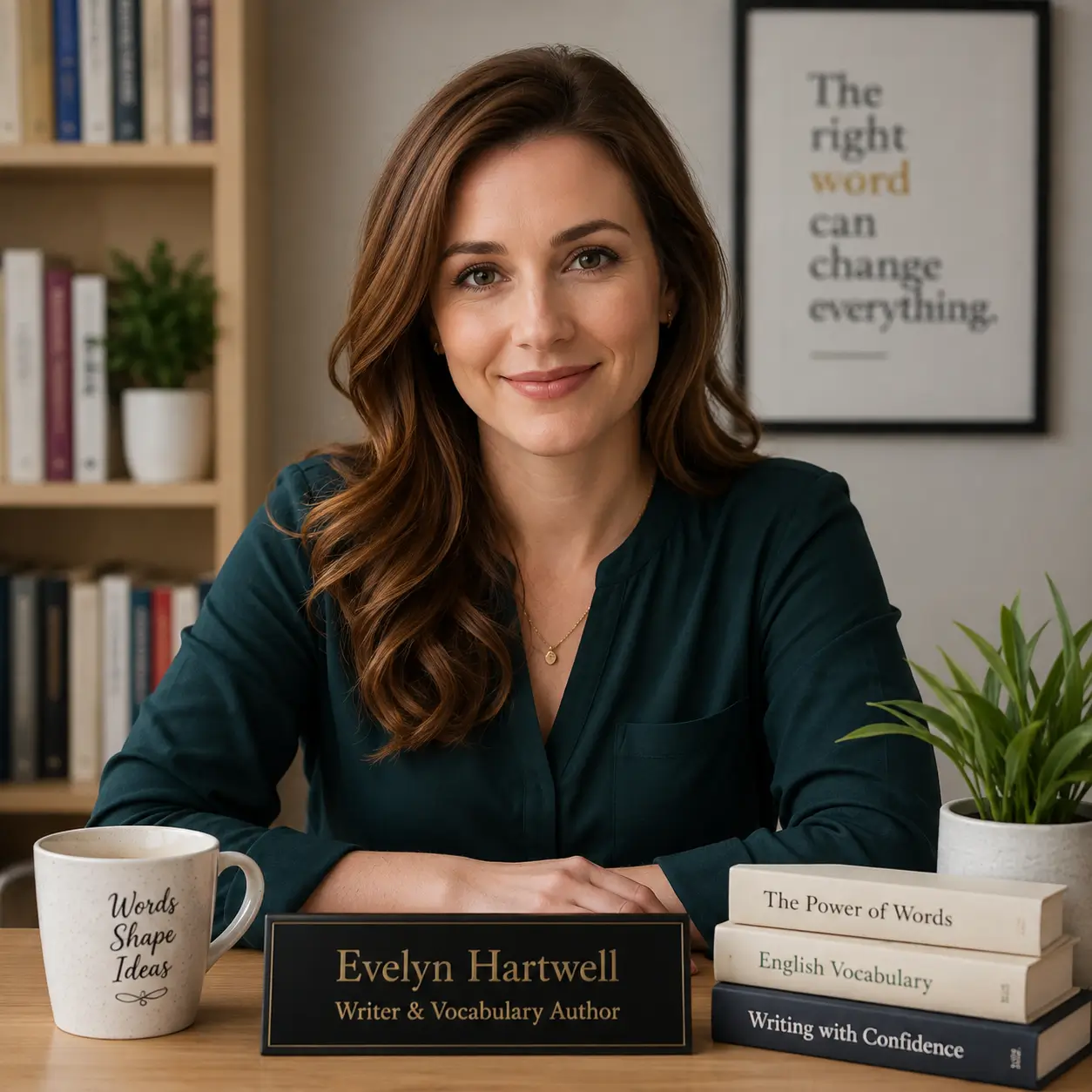
Evelyn Hartwell is an English vocabulary writer who focuses on clear, practical language for learners and everyday readers. Her writing explores synonyms, word meanings, pronunciation, tone, and natural usage. She believes that learning vocabulary should be simple, useful, and enjoyable. Her articles are designed to help students, bloggers, and English learners choose the right words with greater confidence.