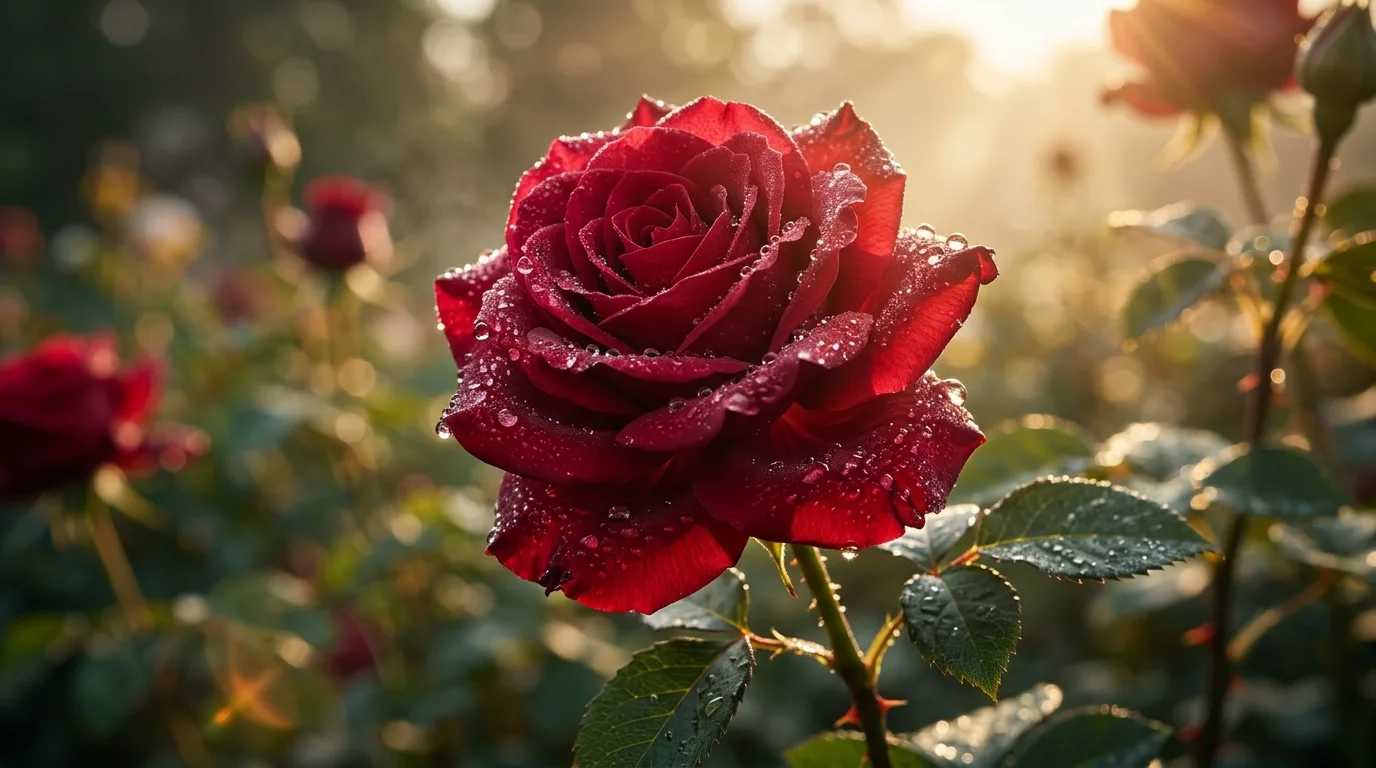
Synonyms for rose can instantly elevate your creative stories, botanical descriptions, financial essays, and everyday conversations. Learning these varied terms helps you avoid repetitive language and express subtle meanings clearly.
Imagine writing a story about a majestic flower or describing how sales increased sharply last quarter. Finding effective synonyms for rose allows you to paint vivid mental pictures for your readers.
This comprehensive guide details top synonyms for rose across its noun, verb, and color contexts, complete with pronunciations and real-life examples. Mastering these words helps students, bloggers, content writers, and casual English speakers communicate with confidence.
What Does “Synonyms for Rose” Really Mean?
The word “rose” serves three distinct primary functions in English depending on context. It acts as a noun referring to a fragrant flowering shrub, a past-tense verb meaning moved upward or increased, and an adjective describing a warm pinkish-red color.
Native speakers easily distinguish these meanings based on sentence placement. The term appears frequently in literature, economic reports, weather forecasts, nature writing, and fashion discussions.
- Part of Speech: Noun / Verb (past tense of rise) / Adjective
- Definition: A thorny flowering plant of the genus Rosa; the past action of moving upward or increasing; or a soft pinkish-red hue.
Connotative Meaning
Words carry emotional tones that change depending on context and usage.
(Connotation refers to the emotional association or secondary meaning suggested by a word beyond its strict literal definition.)
- Positive tone: Symbolizes romance, beauty, growth, financial success, and victory.
- Negative tone: Can suggest sharp thorns, past inflation, or sudden overwhelming rises in tension.
- Neutral tone: Denotes a botanical classification, physical upward movement, or a standard color code.
Etymology
The noun “rose” stems from Latin rosa, likely borrowed via Oscan from Greek rhodon and earlier Avestan vrda- (meaning “flower”). The verb form “rose” comes from Proto-Germanic *rīsanan (meaning “to ascend”).
Historical Evolution:
- Old English (450–1100): The noun existed as rose (from Latin), while the verb past tense was rās.
- Middle English (1100–1500): The spelling stabilized as rose for both the floral noun and the past tense of risen.
- Modern English (1500–Present): The term expanded to cover broad color shades, technical upward movements, and poetic metaphors.
Pronunciation (US & UK – IPA)
- US: /roʊz/
- UK: /rəʊz/
Syllables & Structure
- Syllable Breakdown: rose (1 syllable)
- Root: Rosa (Latin noun) / Rīs- (Germanic verb root)
- Prefix: None
- Suffix: None
Synonyms List (Core Section)
Flower (Noun) — US: /ˈflaʊ.ɚ/ | UK: /ˈflaʊ.ər/
Meaning: The seed-bearing part of a plant consisting of colorful petals.
Examples:
- She picked a fresh yellow flower from her backyard garden.
- The table was decorated with a vase of sweet flowers.
Blossom (Noun) — US: /ˈblɑː.səm/ | UK: /ˈblɒs.əm/
Meaning: A flower or cluster of flowers on a plant or tree.
Examples:
- Cherry blossom petals covered the walking path in spring.
- The fragrant blossom attracted bees throughout the sunny morning.
Bloom (Noun) — US: /bluːm/ | UK: /bluːm/
Meaning: An individual flower when fully opened and healthy.
Examples:
- The prize bloom won first place at the county fair.
- Bright blooms filled the greenhouse with vibrant colors.
Rosette (Noun) — US: /roʊˈzet/ | UK: /rəʊˈzet/
Meaning: A rose-shaped arrangement, badge, or decorative floral structure.
Examples:
- The winner wore a red ribbon rosette on her jacket.
- The baker piped a sweet buttercream rosette onto the cake.
Eglantine (Noun) — US: /ˈeɡ.lən.taɪn/ | UK: /ˈeɡ.lən.taɪn/
Meaning: A wild Eurasian rose with sweet-scented leaves and pink flowers.
Examples:
- Wild eglantine grew along the stone wall of the cottage.
- The poet wrote about the delicate smell of sweet eglantine.
Briar (Noun) — US: /ˈbraɪ.ɚ/ | UK: /ˈbraɪ.ər/
Meaning: A prickly, scrambled woody shrub, especially a wild rose bush.
Examples:
- He caught his jacket on a sharp briar near the trail.
- White briar flowers bloomed along the edge of the forest.
Floribunda (Noun) — US: /ˌflɔːr.əˈbʌn.də/ | UK: /ˌflɒr.ɪˈbʌn.də/
Meaning: A garden rose bearing dense clusters of medium flowers.
Examples:
- They planted a yellow floribunda along the front walkway.
- This floribunda produces continuous flowers all summer long.
Tea-rose (Noun) — US: /ˈtiː.roʊz/ | UK: /ˈtiː.rəʊz/
Meaning: A hybrid garden rose with tea-scented flowers.
Examples:
- The garden smells wonderful due to that giant tea-rose.
- Her grandmother loved growing delicate pink tea-rose varieties.
Damask (Noun) — US: /ˈdæm.əsk/ | UK: /ˈdæm.əsk/
Meaning: An old variety of rose cultivated for its rich perfume.
Examples:
- Perfume makers extract precious oil from the damask rose.
- The garden featured deep red damask blossoms near the gate.
Wildflower (Noun) — US: /ˈwaɪld.flaʊ.ɚ/ | UK: /ˈwaɪld.flaʊ.ər/
Meaning: A flower that grows in natural settings without human planting.
Examples:
- They gathered a colorful bunch of wildflowers on their walk.
- The open meadow was covered in bright yellow wildflowers.
Ascended (Verb) — US: /əˈsen.dɪd/ | UK: /əˈsen.dɪd/
Meaning: Moved upward into the air or to a higher position.
Examples:
- The hot air balloon ascended smoothly into the morning sky.
- Smoke ascended slowly from the chimney into the cold air.
Increased (Verb) — US: /ɪnˈkriːst/ | UK: /ɪnˈkriːst/
Meaning: Became greater in size, amount, degree, or severity.
Examples:
- Store sales increased sharply after the new product launched.
- The city population increased steadily over the last decade.
Soared (Verb) — US: /sɔːrd/ | UK: /sɔːd/
Meaning: Flew or rose rapidly high into the air or in value.
Examples:
- Company stock prices soared right after the announcement.
- An eagle soared high above the snow-capped mountain peaks.
Climbed (Verb) — US: /klaɪmd/ | UK: /klaɪmd/
Meaning: Moved upward gradually using effort or steady progress.
Examples:
- The hiker climbed to the top of the steep hill.
- Outdoor temperatures climbed steadily throughout the afternoon.
Surged (Verb) — US: /sɝːdʒd/ | UK: /sɜːdʒd/
Meaning: Moved forward or upward in a sudden powerful wave.
Examples:
- Electric power surged through the newly repaired grid lines.
- Water levels surged following three days of heavy rainfall.
Mounted (Verb) — US: /ˈmaʊn.t̬ɪd/ | UK: /ˈmaʊn.tɪd/
Meaning: Grew, increased, or built up steadily over time.
Examples:
- Excitement mounted among fans as game time approached.
- Unpaid bills mounted rapidly while he was out of work.
Escalated (Verb) — US: /ˈes.kə.leɪ.t̬ɪd/ | UK: /ˈes.kə.leɪ.tɪd/
Meaning: Increased rapidly in intensity, scope, or severity.
Examples:
- The minor argument escalated into a serious neighborhood debate.
- Prices escalated quickly during the severe product shortage.
Grew (Verb) — US: /ɡruː/ | UK: /ɡruː/
Meaning: Became larger in size or increased in degree over time.
Examples:
- The small sapling grew into a massive oak tree.
- Her interest in global history grew during college years.
Expanded (Verb) — US: /ɪkˈspæn.dɪd/ | UK: /ɪkˈspæn.dɪd/
Meaning: Became larger in size, area, range, or total amount.
Examples:
- The bakery business expanded to three new city locations.
- His lungs expanded deeply as he took a breath of fresh air.
Advanced (Verb) — US: /ədˈvænst/ | UK: /ədˈvɑːnst/
Meaning: Moved forward or upward in position, rank, or time.
Examples:
- The team advanced to the final round of the tournament.
- Technology has advanced rapidly over the past five years.
Elevated (Verb) — US: /ˈel.ə.veɪ.t̬ɪd/ | UK: /ˈel.ɪ.veɪ.tɪd/
Meaning: Raised up to a higher position, level, or status.
Examples:
- The new promotion elevated her to senior executive status.
- They elevated the platform to keep equipment above floodwaters.
Rose-colored (Adjective) — US: /ˈroʊzˌkʌl.ɚd/ | UK: /ˈrəʊzˌkʌl.əd/
Meaning: Having a pleasant pinkish-red color tint.
Examples:
- She wore a chic rose-colored scarf to the party.
- The evening sky turned a lovely rose-colored shade at dusk.
Pink (Adjective) — US: /pɪŋk/ | UK: /pɪŋk/
Meaning: Of a pale red color shade.
Examples:
- The bedroom walls were painted a soft pastel pink.
- He bought pink carnations for the anniversary dinner.
Rosy (Adjective) — US: /ˈroʊ.zi/ | UK: /ˈrəʊ.zi/
Meaning: Having a fresh, warm pinkish flush or cheerful outlook.
Examples:
- Her cheeks looked rosy after playing outside in the snow.
- Financial planners offered a rosy forecast for next year.
Blush (Adjective) — US: /blʌʃ/ | UK: /blʌʃ/
Meaning: A soft, pale pink color shade.
Examples:
- The bride selected blush ribbon for the floral arrangements.
- A blush sunset illuminated the eastern horizon beautifully.
Coral (Adjective) — US: /ˈkɔːr.əl/ | UK: /ˈkɒr.əl/
Meaning: A reddish-pink color like that of sea coral.
Examples:
- She painted her nails a bright coral shade for summer.
- Coral curtains added warmth to the sunny living room.
Salmon (Adjective) — US: /ˈsæm.ən/ | UK: /ˈsæm.ən/
Meaning: A pinkish-orange color like raw salmon flesh.
Examples:
- He chose a stylish salmon tie for the summer wedding.
- The room featured salmon walls with clean white trim.
Magenta (Adjective) — US: /məˈdʒen.tə/ | UK: /məˈdʒen.tə/
Meaning: A deep, vibrant purplish-red color hue.
Examples:
- Bright magenta flowers covered the courtyard trellis completely.
- The printer ink cartage needed fresh magenta toner today.
Crimson (Adjective) — US: /ˈkrɪm.zən/ | UK: /ˈkrɪm.zən/
Meaning: A deep, rich red color leaning toward purple.
Examples:
- Leaves turned a striking crimson during late autumn days.
- The monarch wore a heavy crimson velvet cape.
Carmine (Adjective) — US: /ˈkɑːr.mɪn/ | UK: /ˈkɑː.maɪn/
Meaning: A vivid crimson or dark red color shade.
Examples:
- The artist used carmine pigment to paint the dramatic sunset.
- Carmine berries hung in dense clusters from the bush.
Flush (Adjective) — US: /flʌʃ/ | UK: /flʌʃ/
Meaning: Glowing with a warm reddish color from blood flow.
Examples:
- His face was flush after running two miles uphill.
- A flush tone appeared on her neck from sudden excitement.
Russet (Adjective) — US: /ˈrʌs.ɪt/ | UK: /ˈrʌs.ɪt/
Meaning: A reddish-brown color common in autumn foliage.
Examples:
- The forest landscape turned a deep russet in October.
- She wore a cozy russet sweater on the chilly morning.
Roseate (Adjective) — US: /ˈroʊ.zi.ət/ | UK: /ˈrəʊ.zi.eɪt/
Meaning: Resembling a rose in color or delicate beauty.
Examples:
- Flocks of roseate spoonbills flew over the marshland water.
- The morning horizon showed a soft roseate glow at dawn.
Pinkish (Adjective) — US: /ˈpɪŋ.kɪʃ/ | UK: /ˈpɪŋ.kɪʃ/
Meaning: Having a slight pink tinge or color.
Examples:
- The sky turned a pinkish shade as daylight faded away.
- White petals showed delicate pinkish edges under sunlight.
Peach (Adjective) — US: /piːtʃ/ | UK: /piːtʃ/
Meaning: A pale yellowish-pink color like peach fruit skin.
Examples:
- Peach wallpaper gave the bedroom a cozy feel.
- She picked peach flowers for the dining table centerpiece.
Rose-pink (Adjective) — US: /ˈroʊz.pɪŋk/ | UK: /ˈrəʊz.pɪŋk/
Meaning: A bright moderate pink hue resembling garden roses.
Examples:
- The boutique displayed rose-pink dresses in the front window.
- Rose-pink paint brightened the small office interior.
Deepened (Verb) — US: /ˈdiː.pənd/ | UK: /ˈdiː.pənd/
Meaning: Became more intense, greater, or darker over time.
Examples:
- Silence deepened inside the cathedral as night fell.
- The red color of the apples deepened before harvest.
Awoke (Verb) — US: /əˈwoʊk/ | UK: /əˈwəʊk/
Meaning: Emerged from sleep or inactivity into active state.
Examples:
- She awoke early to watch the sunrise over ocean waves.
- Public interest in clean energy awoke after recent reports.
Emerged (Verb) — US: /ɪˈmɝːdʒd/ | UK: /ɪˈmɜːdʒd/
Meaning: Came up into view or notice from an obscure position.
Examples:
- The sun emerged from behind dark rain clouds finally.
- New facts emerged during the second phase of investigation.
Flowered (Verb) — US: /ˈflaʊ.ɚd/ | UK: /ˈflaʊ.əd/
Meaning: Produced flowers or reached a state of rich development.
Examples:
- The apple trees flowered early during the mild spring.
- Arts and culture flowered throughout the historic era.
Heightened (Verb) — US: /ˈhaɪ.tənd/ | UK: /ˈhaɪ.tənd/
Meaning: Became intense, higher, or sharper in degree.
Examples:
- Security measures heightened across airport terminals worldwide.
- Her senses heightened as she walked down dark streets alone.
Progressed (Verb) — US: /prəˈɡrest/ | UK: /prəˈɡrest/
Meaning: Moved forward toward a higher or more advanced state.
Examples:
- The building construction progressed smoothly despite bad weather.
- Students progressed to advanced math topics by spring term.
Expanded-upward (Verb) — US: /ɪkˈspæn.dɪd ˈʌp.wɚd/ | UK: /ɪkˈspæn.dɪd ˈʌp.wəd/
Meaning: Grew physical size or height in an upward direction.
Examples:
- The city skyline expanded upward with brand new towers.
- Tree branches expanded upward toward available sunlight overhead.
Amplified (Verb) — US: /ˈæm.plə.faɪd/ | UK: /ˈæm.plɪ.faɪd/
Meaning: Increased strength, volume, or overall intensity greatly.
Examples:
- The loudspeaker amplified his voice across the outdoor arena.
- High winds amplified forest fire risks across the dry valley.
Roseate-pink (Adjective) — US: /ˈroʊ.zi.ət.pɪŋk/ | UK: /ˈrəʊ.zi.eɪt.pɪŋk/
Meaning: Having a warm, light rose-hued tint.
Examples:
- Clouds took on a roseate-pink tint near sunrise.
- Roseate-pink glass lamps decorated the historic dining hall.
Synonyms for “Rose” by Tone
Grouping synonyms by tone helps you choose the right word for every situation:
- Positive Tone: Bloom, Blossom, Soared, Ascended, Rosy, Blush, Flowered.
- Neutral Tone: Flower, Increased, Climbed, Pink, Coral, Salmon, Emerged.
- Negative Tone: Briar, Escalated, Surged, Mounted (when describing rising costs or conflict).
- Playful / Informal: Rosette, Pinkish, Peach.
Tone matters because using a botanical word like “eglantine” in a business report sounds out of place, while using “surged” to describe a gentle flower blooming is contextually inaccurate.
Mini Comparison
“Rose” (Verb) vs. “Soared” vs. “Surged”
- Rose: Describes a simple, general upward movement or increase without implying speed or force (e.g., temperatures rose steadily).
- Soared: Implies rapid, dramatic, and inspiring upward movement high into the air or market levels (e.g., stock values soared).
- Surged: Highlights a sudden, powerful, wave-like burst of movement or energy (e.g., crowds surged forward).
When to use which: Use rose for neutral or steady increases. Use soared for impressive, positive leaps. Use surged for strong, abrupt movements.
Context-Based Usage
Daily Conversation
In everyday speech, people prefer common terms like “pink,” “climbed,” or “flower.” For example: “Sales climbed last week,” or “Look at those pink flowers.”
Writing & Blogging
Writers use words like “bloomed,” “soared,” or “blush” to create vivid images and keep readers engaged.
Professional & Academic Tone
In business and science, words like “increased,” “ascended,” “escalated,” or “botanical specimen” provide precision.
Creative & Informal Use
Poets and fiction authors use evocative terms like “rosy,” “roseate,” “eglantine,” or “crimson.”
Common Mistakes & Native Usage
Misuse Scenarios
- Confusing part of speech: Using “rose” as a present verb instead of past tense (e.g., saying “prices rose every day now” instead of “prices rise every day now”).
- Wrong context for floral terms: Using “briar” to describe a delicate bouquet flower rather than a thorny bush.
- Overusing “rose”: Repeating “rose” in financial reports weakens writing. Rotate with “climbed,” “increased,” or “expanded.”
Register Notes
- Formal vs. Informal: “Ascended” and “roseate” fit formal or poetic writing. “Pink” and “climbed” work best in daily talk.
- Spoken vs. Written: Speakers use “went up” or “pink,” while writers prefer “rose,” “increased,” or “blush.”
(Looking to expand your vocabulary further? Check out our guides on descriptive color adjectives and active action verbs.)
Real-Life Mini Scenarios
- Workplace: An analyst reports that company profits increased by fifteen percent during the third quarter.
- Social Situations: A wedding planner selects blush tablecloths to create an elegant look for the reception.
- Media / Pop Culture: Reporters note that video views soared after the video went viral on social media.
- Writing or Storytelling: A novelist describes how wild eglantine grew around the abandoned stone cottage.
Practice Exercise
Test your knowledge of synonyms for rose with these 10 practice questions:
- Which verb best describes stock prices rising quickly and dramatically?
a) Walked
b) Soared
c) Dripped
d) Fell - If a garden flower is fully open and healthy, it is called a:
a) Seedling
b) Bloom
c) Root
d) Stem - Which color adjective means a soft, light pink tone?
a) Crimson
b) Blush
c) Navy
d) Russet - What is the past tense verb synonym for “climbed higher”?
a) Ascended
b) Descended
c) Dropped
d) Stopped - A wild, prickly bush bearing flowers is often called a:
a) Briar
b) Petal
c) Vine
d) Fern - Which word describes a sudden, powerful upward rush of water or power?
a) Surged
b) Crept
c) Glided
d) Stalled - What is a formal poetic word for a rose-like pink glow?
a) Pale
b) Roseate
c) Dark
d) Dull - If conflict in a story grows rapidly more intense, it has:
a) Escalated
b) Decreased
c) Settled
d) Ended - Which adjective describes a pinkish-orange shade like ocean coral?
a) Coral
b) Violet
c) Emerald
d) Indigo - What noun refers to a rose-shaped ribbon arrangement or design?
a) Rosette
b) Stem
c) Thorn
d) Leaf
Application Task
Write one short sentence describing a sunset or a financial chart using at least one synonym from this guide (e.g., blush, soared, bloomed).
Answer Key:
1: b | 2: b | 3: b | 4: a | 5: a | 6: a | 7: b | 8: a | 9: a | 10: a
Conclusion
Learning synonyms for rose allows you to express ideas with precision, color, and emotional clarity in any setting. Selecting exact words improves your communication across essays, stories, and daily speech.
Understanding how context shapes meaning helps you choose the right term every time. Balancing floral terms, past-tense action verbs, and shade descriptions builds a versatile vocabulary.
Start practicing these expressive words today in your daily conversations, writing projects, and academic work. Challenge yourself to use three new synonyms from this guide in your next essay or email!

I am AAMER SHAHZAD, an MPhil graduate with 8 years of teaching experience in English language and vocabulary. At PrayIstic, I help learners, writers, and professionals expand their vocabulary, master synonyms, and improve communication. My guides and examples are clear, practical, and easy to apply, making English learning simple and enjoyable. Whether for academics, blogging, or daily conversation, PrayIstic is your go-to resource for enhancing English skills and writing with confidence.